Part 2: Would You Tell a Wheelchair User They Can’t Use Their Chair for 5 Minutes?
“What is the purpose of reasonable adjustments and medical reports if they are systematically ignored?”
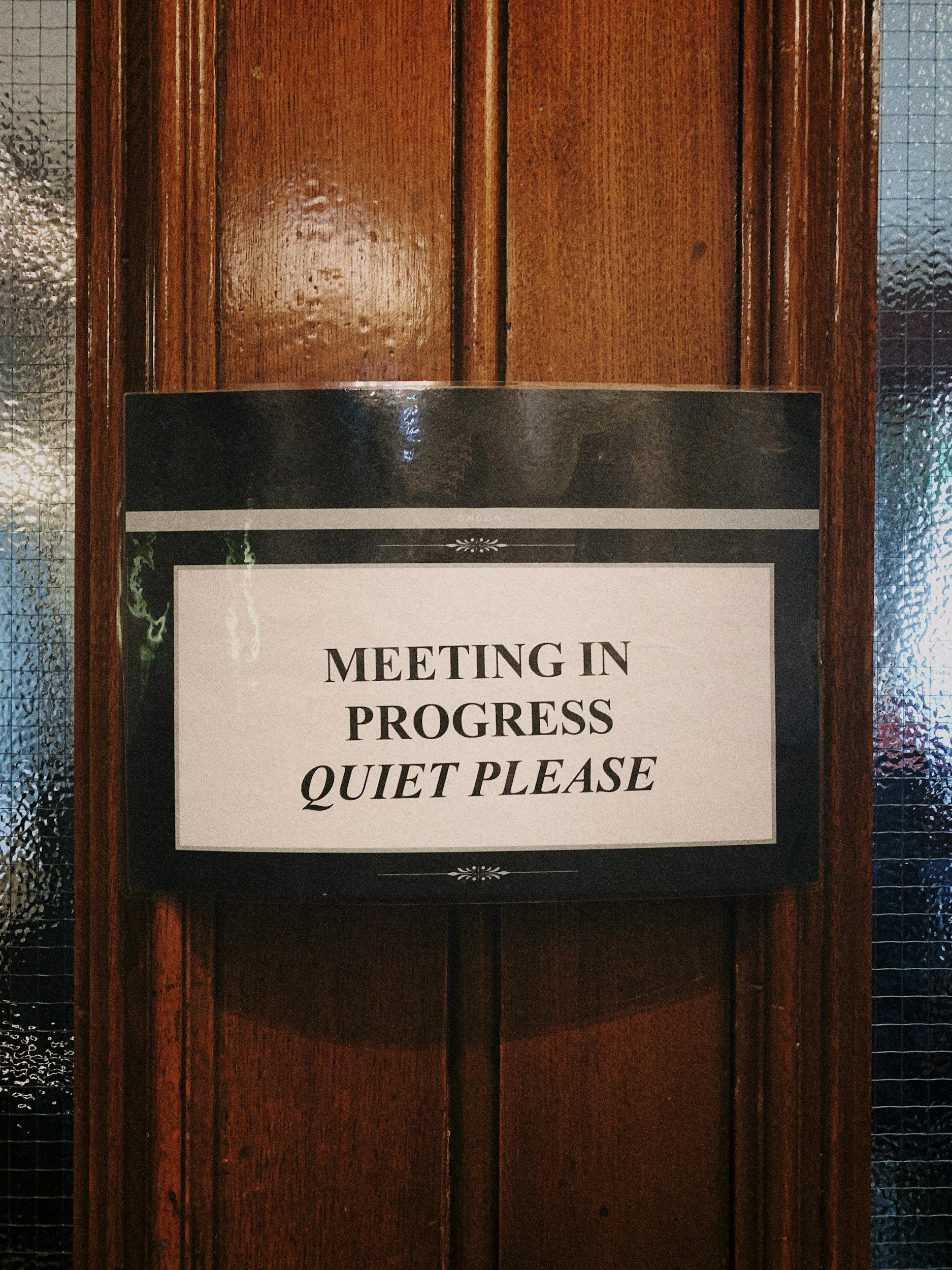
We sat around the table like characters in a low budget courtroom drama. Except no one was winning an Emmy, and I was fighting the urge to cry or flip the table. Possibly both.
No one was winning an Emmy. No stirring closing arguments. Just me, trying very hard not to cry, swear, or flip the table. Ideally not all three. But the urge was there.
I came prepared.
Medical reports. Professional recommendations. Dates. Agreements that had already been made. Research. Highlighted paragraphs. Calm, reasonable sentences I’d rehearsed in my head like daily affirmations:
Stay regulated.
Be reasonable.
Do not be dismissed.
They came armed with… the behaviour policy.
I explained, again! That breaktime isn’t a reward for Lenny. It’s not a luxury. Not an optional extra. It’s a reasonable adjustment. A regulation tool. A basic need.
Then I said it. Slowly. Clearly.
“Would you tell a wheelchair user they can’t use their wheelchair for five minutes because they broke a rule?”
She didn’t answer.
Instead, she pivoted.
“Well… he responds better when the class is calm.”
I asked again. Slightly fiercer than planned. The kind of fierceness that slips out when you realise logic is being politely sidestepped.
She squirmed in her chair. Offered reassurance instead.
We spoke about it. He was fine.
The looks between the two class teachers and the stand‑in SENCO ping‑ponged around the table like a Wimbledon final. Eyes darting. No one wanting to be the one to say the quiet part out loud.
I watched the shift happen, faces tightening, shoulders stiffening. The moment listening stops and you become the unhinged parent who needs managing.

“Behaviour policy can not override SEND law”
They explained they were governed by the behaviour policy. That there were 29 other children in the room. That learning had to be managed for everyone.
I felt myself shrinking in real time. That familiar sensation of speaking a language no one is interested in learning.
They said things like:
“We have to be fair to all children.”
“He already has sensory breaks.”
“He already has leniency.”
I wanted to scream that I understand classroom dynamics. That I have a first‑class degree in education studies and decades of experience in primary education. That, to my knowledge, you cannot consequence neurodiversity out of a child.
That consequences without context are just punishment in a nicer font.
But I didn’t.
I let her finish. I stopped interrupting. I looked directly at the class teacher and said, quietly:
“It was sliding a water bottle across a table. It was an unmet need. He had a meltdown on the side of the road.”
They defended again.
The behaviour policy. The learning of all children.
I tried one last time. I reminded them the OT report states his focus lasts around ten minutes. That movement breaks are essential for regulation. That removing them would escalate behaviour, not improve it. That this had been agreed the previous Spring term.
So why didn’t it follow him into Year 2?
Silence.
Until once again the behaviour policy was raised. Used to ensure all children have access to learning.
I said it plainly now. No metaphors. No softness.
It’s a reasonable adjustment. A policy does not override legislation. The SEND Code of Practice is clear. The Equality Act 2010 is clear. Denying regulation support to a child on the pathway to assessment is discriminatory.
They nodded. Took notes.
“We’ll pass this to the Headteacher. Only he can amend the policy.”
And there it was.
The wall.
No matter how carefully I explained. No matter how much I redirected. It always came back to the many versus the one.
The emotional crash came fast. Tears, hot and unwanted. I nodded. I warned them I was going to get upset.
Because mums like me learn early when to keep pushing and when we’re simply too tired to keep swinging.
The condescending. If you're are struggling at home, you can always talk to us.
HA!
I’m fairly certain that I have been doing exactly that for three years.
Except no one is listening.
I left that meeting hollowed out.
Defeated.
Reeling.
Replaying.
Wondering if I was asking for too much when all I was really asking for was protection for his nervous system.
What I didn’t know yet was that this meeting wouldn’t be the final chapter.
Next: the complaint I never wanted to make and why advocacy for invisible needs is never optional.
Love surviving this madness with me? Click the button below to buy me a coffee and help fund a new laptop, so I can keep documenting the chaos, one behaviour policy (and meltdown) at a time.
Love,
Diane x
PS: Still figuring it out, still winging it. Still mildly traumatised from the time my son’s school said ‘You can always talk to us, because I have been apparently been talking to myself for the whole of his education thus far!’ But hey, we’re doing our best! And that’s enough for me.