
“When You Become the “Difficult” Parent (And Stop Apologising for It)” (Copy)
At some point in this journey, you stop being the “easy” parent. You start asking questions. You stop smoothing things over. You realise your fear of being disliked is competing with your child’s need to feel safe, and that’s not a fair fight. This post is about what really happens when become the “difficult” parent…and why that might be the bravest thing you ever do.
What happens when advocating for your child means you’re labelled as ‘that parent’?
“They might call me difficult. He calls me safe.”
If standing between him and a system that doesn’t get him makes me awkward, outspoken, inconvenient…so be it.
I’m not here to be liked.
I’m here to make sure he doesn’t have to fight alone. Sometimes advocacy looks less like a battle and more like this: two silhouettes, one steady grip, and a promise that I won’t let go.
There’s a moment most of us hit.
It’s usually after the third meeting. The fifth email. The polite nodding while someone explains your own child to you.
You realise something uncomfortable.
You are no longer the “easy” parent.
You are the one who asks follow-up questions.
The one who says, “That won’t work for them.”
The one who reads the policies.
The one who doesn’t smile and move on.
And if you’re anything like me, your stomach flips every single time.
Because most of us were raised to be agreeable. Grateful. Not make a fuss.
Especially women. Especially mothers.
Then you have a neurodivergent child.
And suddenly being agreeable is not protective. It’s costly.
The internal battle no one sees
Before you ever challenge a school, you challenge yourself.
Am I overreacting?
Maybe they’re right.
I don’t want to be that parent.
You draft emails in your head at 2am. You soften sentences. You add smiley faces you don’t mean. You thank people for things that are literally their job.
And underneath all of it is fear:
If I push too hard, will they treat my child differently?
If I don’t push hard enough, will my child pay for it?
That tension is exhausting.
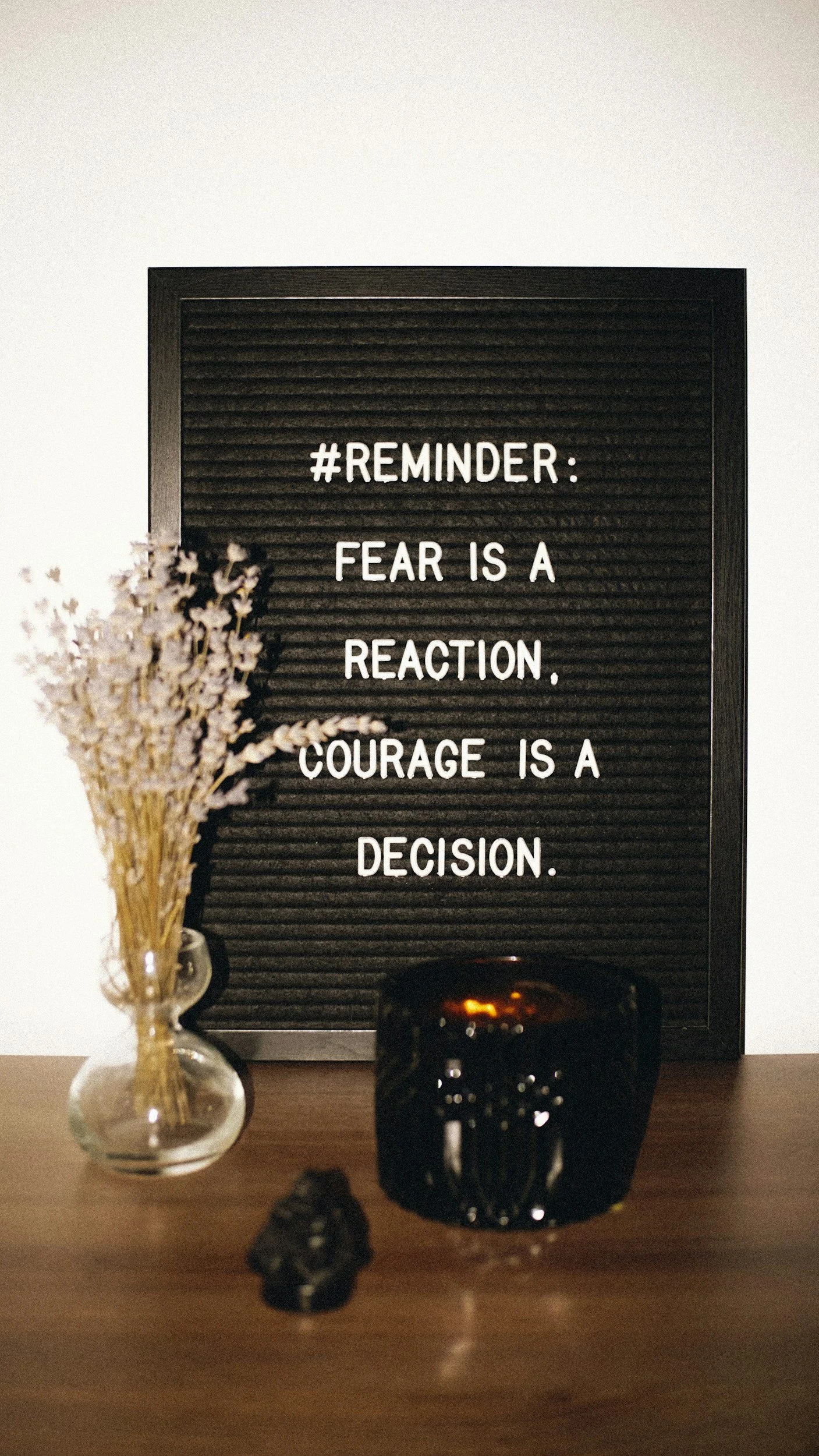
“Fear shows up first. In the playground. In the inbox. In the pit of your stomach before you press send.”
Here’s the uncomfortable truth.
Systems are built to maintain themselves.
Schools are under pressure. Staff are stretched. Resources are thin. Targets are rigid.
When your child doesn’t fit neatly inside that system, the easiest solution is often to try to reshape your child.
Not the structure.
That’s why you’ll hear phrases like:
“They just need to build resilience.”
“We can’t make exceptions.”
“If we do it for one child…”
“They need to learn the real world won’t adapt.”
But here’s the part that rarely gets said out loud:
The real world adapts all the time.
Adults work from home.
Adults change careers.
Adults leave toxic environments.
Adults use noise-cancelling headphones and flexible hours.
Yet we expect children with developing nervous systems to white-knuckle it through distress in the name of preparation.
That’s not resilience. That’s survival.
Advocacy is not aggression
Advocacy sounds bold and powerful.
In reality, it often looks like:
sending the email even though your hands shake
requesting the policy in writing
asking for the sensory break to be written into the plan
saying, “This is impacting their mental health.”
It’s not dramatic.
It’s steady.
And yes, sometimes it makes people uncomfortable.
But discomfort is not the same as wrongdoing.
You are not being “difficult” for asking that agreed adjustments actually happen.
You are not unreasonable for wanting movement breaks honoured.
You are not overprotective for noticing that your child is unravelling.
You are paying attention.
The cost of staying quiet
This is the bit that changed things for me.
I realised my fear of being disliked was competing with my child’s need to feel safe.
That’s not a fair competition.
When I stayed quiet to keep the peace, the peace wasn’t real.
It just moved the pressure home.
Meltdowns in the car.
Shutdowns in the evening.
A child who held it together all day and then fell apart in the only place they could.
Compliance at school, collapse at home.
And I was the one picking up the pieces.
If someone is going to be uncomfortable, it doesn’t always have to be your child.
Boundaries are a skill (and most of us are learning late)
For many of us in midlife, this is new territory.
We were praised for coping.
For managing.
For being low-maintenance.
Now we’re learning to say:
“That doesn’t work.”
“We need a review.”
“This isn’t sustainable.”
“I’d like that confirmed in writing.”
It feels awkward because it is new.
But new doesn’t mean wrong.
You can be calm and firm at the same time
Advocacy does not require rage.
It requires clarity.
You don’t have to threaten.
You don’t have to over-explain.
You don’t have to justify your child’s neurology like a court case.
You can simply say:
“My child is not coping.”
“We need to look at this differently.”
“What support is available when regulation drops?”
And then pause.
Let the silence do some work.
You’re not fighting the school. You’re fighting for your child.
That distinction matters.
Most parents don’t want conflict. We want collaboration.
But collaboration requires both sides to acknowledge reality.
If your child is dysregulated, distressed or deteriorating, naming that is not dramatic.
It’s responsible.
The reframe that helps
Instead of asking:
“Am I being difficult?”
Try asking:
“Am I being clear about what my child needs?”
Clarity is kindness.
Even when it ruffles feathers.
Especially then.
And if you’re tired…
Of course you are.
Advocating while juggling work, siblings, finances, midlife hormones and your own nervous system is a lot.
Some days you’ll feel strong.
Some days you’ll want to withdraw every email and move to a cottage in the woods.
Both are normal.
You are allowed to take breaks.
You are allowed to gather information slowly.
You are allowed to choose “for now.”
But shrinking yourself to make a system comfortable?
That doesn’t serve your child.
And it doesn’t serve you.
You’re not difficult.
You’re informed.
You’re protective.
You’re learning to use your voice.
And that is not a character flaw.
It’s growth.
If this post made you feel a little less alone…If it gave you the words you’ve been rehearsing in the shower…If it nudged you to press send on the email you’ve been avoiding…You can support Midlife Madness by buying me a coffee. Not in a glossy influencer way. In a “fuel the late-night drafting, policy reading, overthinking and truth-telling” way. This space runs on honesty, nervous system wisdom…and caffeine.
If you value it, back it.
If it helps you advocate, help me keep writing. Because difficult parents need strong coffee.
Love,
Diane x
PS: Still figuring it out. Still winging it. Still reeling from that one time the teacher said, ‘I have to be brave now.’, before our parent’s meeting begun.
Real talk: Tell me, have you ever been labelled “difficult”? What happened when you spoke up? What are you still scared to say out loud?
Real change doesn’t happen in polite silence. It happens when parents compare notes and realise when they’re not the only one sitting in the car park crying before a meeting. Drop it in the comments. The messy bits. The honest bits. The part you usually delete before you post. You’re not too much. You’re not dramatic. And you’re definitely not alone. Let’s talk.
“When You Become the “Difficult” Parent (And Stop Apologising for It)”
At some point in this journey, you stop being the “easy” parent. You start asking questions. You stop smoothing things over. You realise your fear of being disliked is competing with your child’s need to feel safe, and that’s not a fair fight. This post is about what really happens when become the “difficult” parent…and why that might be the bravest thing you ever do.
What happens when advocating for your child means you’re labelled as ‘that parent’?
“They might call me difficult. He calls me safe.”
If standing between him and a system that doesn’t get him makes me awkward, outspoken, inconvenient…so be it.
I’m not here to be liked.
I’m here to make sure he doesn’t have to fight alone. Sometimes advocacy looks less like a battle and more like this: two silhouettes, one steady grip, and a promise that I won’t let go.
There’s a moment most of us hit.
It’s usually after the third meeting. The fifth email. The polite nodding while someone explains your own child to you.
You realise something uncomfortable.
You are no longer the “easy” parent.
You are the one who asks follow-up questions.
The one who says, “That won’t work for them.”
The one who reads the policies.
The one who doesn’t smile and move on.
And if you’re anything like me, your stomach flips every single time.
Because most of us were raised to be agreeable. Grateful. Not make a fuss.
Especially women. Especially mothers.
Then you have a neurodivergent child.
And suddenly being agreeable is not protective. It’s costly.
The internal battle no one sees
Before you ever challenge a school, you challenge yourself.
Am I overreacting?
Maybe they’re right.
I don’t want to be that parent.
You draft emails in your head at 2am. You soften sentences. You add smiley faces you don’t mean. You thank people for things that are literally their job.
And underneath all of it is fear:
If I push too hard, will they treat my child differently?
If I don’t push hard enough, will my child pay for it?
That tension is exhausting.
“Fear shows up first. In the playground. In the inbox. In the pit of your stomach before you press send.”
Here’s the uncomfortable truth.
Systems are built to maintain themselves.
Schools are under pressure. Staff are stretched. Resources are thin. Targets are rigid.
When your child doesn’t fit neatly inside that system, the easiest solution is often to try to reshape your child.
Not the structure.
That’s why you’ll hear phrases like:
“They just need to build resilience.”
“We can’t make exceptions.”
“If we do it for one child…”
“They need to learn the real world won’t adapt.”
But here’s the part that rarely gets said out loud:
The real world adapts all the time.
Adults work from home.
Adults change careers.
Adults leave toxic environments.
Adults use noise-cancelling headphones and flexible hours.
Yet we expect children with developing nervous systems to white-knuckle it through distress in the name of preparation.
That’s not resilience. That’s survival.
Advocacy is not aggression
Advocacy sounds bold and powerful.
In reality, it often looks like:
sending the email even though your hands shake
requesting the policy in writing
asking for the sensory break to be written into the plan
saying, “This is impacting their mental health.”
It’s not dramatic.
It’s steady.
And yes, sometimes it makes people uncomfortable.
But discomfort is not the same as wrongdoing.
You are not being “difficult” for asking that agreed adjustments actually happen.
You are not unreasonable for wanting movement breaks honoured.
You are not overprotective for noticing that your child is unravelling.
You are paying attention.
The cost of staying quiet
This is the bit that changed things for me.
I realised my fear of being disliked was competing with my child’s need to feel safe.
That’s not a fair competition.
When I stayed quiet to keep the peace, the peace wasn’t real.
It just moved the pressure home.
Meltdowns in the car.
Shutdowns in the evening.
A child who held it together all day and then fell apart in the only place they could.
Compliance at school, collapse at home.
And I was the one picking up the pieces.
If someone is going to be uncomfortable, it doesn’t always have to be your child.
Boundaries are a skill (and most of us are learning late)
For many of us in midlife, this is new territory.
We were praised for coping.
For managing.
For being low-maintenance.
Now we’re learning to say:
“That doesn’t work.”
“We need a review.”
“This isn’t sustainable.”
“I’d like that confirmed in writing.”
It feels awkward because it is new.
But new doesn’t mean wrong.
You can be calm and firm at the same time
Advocacy does not require rage.
It requires clarity.
You don’t have to threaten.
You don’t have to over-explain.
You don’t have to justify your child’s neurology like a court case.
You can simply say:
“My child is not coping.”
“We need to look at this differently.”
“What support is available when regulation drops?”
And then pause.
Let the silence do some work.
You’re not fighting the school. You’re fighting for your child.
That distinction matters.
Most parents don’t want conflict. We want collaboration.
But collaboration requires both sides to acknowledge reality.
If your child is dysregulated, distressed or deteriorating, naming that is not dramatic.
It’s responsible.
The reframe that helps
Instead of asking:
“Am I being difficult?”
Try asking:
“Am I being clear about what my child needs?”
Clarity is kindness.
Even when it ruffles feathers.
Especially then.
And if you’re tired…
Of course you are.
Advocating while juggling work, siblings, finances, midlife hormones and your own nervous system is a lot.
Some days you’ll feel strong.
Some days you’ll want to withdraw every email and move to a cottage in the woods.
Both are normal.
You are allowed to take breaks.
You are allowed to gather information slowly.
You are allowed to choose “for now.”
But shrinking yourself to make a system comfortable?
That doesn’t serve your child.
And it doesn’t serve you.
You’re not difficult.
You’re informed.
You’re protective.
You’re learning to use your voice.
And that is not a character flaw.
It’s growth.
If this post made you feel a little less alone…If it gave you the words you’ve been rehearsing in the shower…If it nudged you to press send on the email you’ve been avoiding…You can support Midlife Madness by buying me a coffee. Not in a glossy influencer way. In a “fuel the late-night drafting, policy reading, overthinking and truth-telling” way. This space runs on honesty, nervous system wisdom…and caffeine.
If you value it, back it.
If it helps you advocate, help me keep writing. Because difficult parents need strong coffee.
Love,
Diane x
PS: Still figuring it out. Still winging it. Still reeling from that one time the teacher said, ‘I have to be brave now.’, before our parent’s meeting begun.
Real talk: Tell me, have you ever been labelled “difficult”? What happened when you spoke up? What are you still scared to say out loud?
Real change doesn’t happen in polite silence. It happens when parents compare notes and realise when they’re not the only one sitting in the car park crying before a meeting. Drop it in the comments. The messy bits. The honest bits. The part you usually delete before you post. You’re not too much. You’re not dramatic. And you’re definitely not alone. Let’s talk.

“If Not School, Then What?”
Many parents of neurodivergent children reach a quiet, uncomfortable realisation: the problem may not be their child, it may be school itself. For children with PDA profiles and sensitive nervous systems, traditional classrooms can feel less like places of learning and more like constant threat. This article explores why masking, compliance, and “pushing through” come at such a high cost, and why questioning whether school is the right option isn’t failure, it’s attentive parenting.
What happens when a mainstream education costs your child’s mental health?

“What if education didn’t have to look like this?”
There’s a specific kind of fear that creeps in when school stops working.
It usually arrives late at night, once the house is quiet, when the practical decisions give way to the bigger ones.
If not school… then what?
What happens to their future?
Have we just closed a door that can never reopen?
This fear is understandable. Education has been sold to us as linear. Miss a step and the whole thing collapses.
But neurodivergent children don’t develop in straight lines. And neither do their nervous systems.
Regulation comes before education (even if no one says it out loud)
Here’s the part that feels radical, even though it shouldn’t be:
A child who is dysregulated cannot learn in the way school expects them to.
Attendance is not the same as education.
Compliance is not the same as engagement.
Endurance is not the same as growth.
For PDA children especially, feeling safe and having autonomy isn’t a luxury it’s the foundation.

“When the system says “No Entry,” is it rejection or redirection?”
The options parents are rarely walked through properly
When school breaks down, parents are often left to research alternatives in crisis mode. With judgement layered on top.
Here’s what those options actually look like, without the gloss.
Alternative Provision
For some children, this can be a lifeline. Smaller settings, more flexibility, different expectations.
For others, it can feel like school in a different outfit.
What matters isn’t the label, but the approach:
relationship before rules
flexibility over compliance
understanding of nervous systems, not just behaviour
EOTAS (Education Otherwise Than At School)
In the UK, this is often positioned as extreme or unattainable.
In reality, it can be appropriate when school-based provision cannot meet a child’s needs even with adjustments.
It’s not about giving up on education.
It’s about delivering it differently.
Home Education
This is not “school at home”.
Done well, it’s child-led, interest-driven and paced around regulation. Done badly, it recreates the same pressure in a different setting.
It can be freeing.
It can also be isolating and exhausting for parents.
Honesty matters here.
Flexi or reduced timetables
Sometimes helpful. Sometimes just a holding pattern.
If a child spends their non-school days recovering from school days, it’s worth asking whether this is support — or delay.
The grief no one prepares you for
Alongside the practical decisions sits something heavier.
The grief of letting go of how you imagined things would be.
the school gate friendships
the milestones
the reassurance of following the same path as everyone else
Parents don’t talk enough about the envy, the guilt, the quiet sadness.
None of this means you love your child less.
It means you’re human.
Redefining success (and breathing again)
Success doesn’t have to mean:
full-time attendance
neat handwriting
keeping up with peers
Sometimes success looks like:
emotional safety
trust rebuilt
curiosity returning
a child who feels heard rather than handled
These things don’t show up on reports. But they matter more than we admit.
You’re allowed to choose “for now”
This might be the most important part.
Nothing has to be forever.
Nervous systems grow. Capacity changes. Doors reopen.
You’re not deciding the rest of your child’s life.
You’re responding to who they are right now.
And that is not failure.
It’s care.
Midlife Madness runs on courage, candor… and caffeine. If these stories speak to you, tap the button below and fuel the next one with a coffee your support keeps the truth flowing. ☕
Love,
Diane x
PS: Still figuring it out. Still winging it. Still weighing up whether the price of staying in the system is quietly being paid in my son’s mental health and whether that’s a bill we should ever have agreed to.
Real talk: If you’re in this space right now lying awake, second-guessing, grieving, recalculating, tell me: what does “success” look like for your child today, not five years from now? Drop it in the comments so other parents can see they’re not the only ones redefining the rules.

“School Isn’t Failing Your Child. It Was Never Built for Them”
When school stops working for neurodivergent children, what comes next? Exploring EOTAS, home education, and redefining success beyond attendance.
What happens when a system built on compliance meets a child whose nervous system experiences control as threat?

“School wasn’t designed for curiosity, creativity, or change. It was designed for order, and some children were always going to fall outside the lines.”
There is a moment many parents of neurodivergent children reach that feels oddly shameful.
It’s the moment you stop asking “How do we fix this?”
And start wondering “What if this just… doesn’t work?”
For a long time, school is presented as non-negotiable. The one stable thing. The answer to structure, progress, socialisation and success. So when it starts unravelling, slowly or spectacularly, parents often assume the fault must sit somewhere closer to home.
Usually with them.
The promise we’re sold
We’re told:
“They’ll settle once they feel safe.”
“Consistency is key.”
“They just need time to build trust.”
“All children struggle at first.”
And for some children, that’s true.
But for a child with a PDA profile, time and consistency don’t always soothe. Often, they escalate the sense of threat.
Because what looks like support from the outside can feel like entrapment on the inside.
What school actually demands (even on a good day)
School is not just lessons and lunchboxes. It’s a constant stream of invisible demands:
Transitioning when someone else decides
Sitting still when your body wants to move
Complying with adults you didn’t choose
Being observed, assessed and corrected
Suppressing emotions to “keep the day running smoothly”
For a PDA nervous system, this isn’t neutral. It’s activating. Over and over again.
And no amount of visual timetables or sticker charts can make a nervous system feel safe when autonomy is stripped away.
“But they’re fine at school”
This phrase deserves its own paragraph.

“When the system stays in focus, individual needs quietly disappear.”
Many PDA children are fine at school.
Polite. Quiet. Compliant. Helpful.
They hold it together because they have to.
What parents see instead is:
explosive evenings
emotional collapse after school
rage, tears or shutdown at home
weekends spent recovering rather than resting
This isn’t coincidence. It’s the cost of masking.
And when school only sees the mask, parents are left holding the fallout and often the blame.
When the focus quietly shifts onto you
At some point, the conversation changes.
It’s no longer: “What does your child need?”
It becomes:
“Are you reinforcing this at home?”
“We don’t see this behaviour here.”
“Have you considered your own anxiety?”
Suddenly, you’re not just advocating you’re defending your parenting, your motives, your relationship with your child.
You become “difficult”.
Or “overprotective”.
Or “too involved”.
When really, you’re responding to a system that doesn’t fit your child’s nervous system.
Signs this is more than just a wobble
All children struggle sometimes. But there are signs that school isn’t just challenging it’s actively doing harm:
escalating anxiety or rage
increasing shutdown or withdrawal
sleep disturbances
physical symptoms like stomach aches or headaches
loss of joy, curiosity or confidence
This isn’t resilience being built. It’s a nervous system under sustained stress.
What helps (without blowing everything up)
This isn’t about storming out or burning bridges.
Sometimes the most powerful shifts are quieter:
documenting patterns, not incidents
describing impact, not behaviour
naming regulation needs rather than “refusal”
And sometimes, the bravest step is pausing long enough to ask:
“Is this helping or are we just pushing through because we’re afraid not to?”
School may not be failing your child.
But it may not be able to meet them either.
And that doesn’t make you weak for noticing.
It makes you attentive.
In the next post, we talk about the question that follows if not school, then what?
This writing exists because I keep showing up and telling the truth. If you want more of that honesty, hit the button below and buy me a coffee, it’s how these stories keep coming.
Love,
Diane x
PS: Still figuring it out. Still winging it. Still wondering whether fighting the school for the bare minimum of support is the best use of my energy or if it’s time to wave the white flag and quietly defect to home education.
Real talk: There’s a moment where you stop thinking, “How do we make school work?” and start thinking, “…is this actually working at all?”
If you’ve been side-eyeing the school system, whispering your doubts into your coffee, or wondering whether you’re the problem (you’re probably not), let’s talk.
Drop a comment below.
What’s your child’s school experience really like and are you questioning if school is the right fit for them?
Chances are, someone reading needs to know they’re not the only one.

“My Kid is a 6/7’: What That Really Means When You’re Parenting a PDA Child”
He’s 7, PDA, and using his middle finger to communicate for his nervous system. This article explains why so-called rude behaviour is actually nervous-system regulation.
What if ‘rude’ behaviour isn’t disrespect but regulation?

“Behaviour is communication. Even when it makes adults feel uncomfortable.”
He’s 7. He’s PDA. And Apparently, He’s a 6/7 Now.
My son turned 7, and in true PDA fashion, he celebrated by discovering that his middle finger works brilliantly as a nervous-system fist pump.
Not to be rude.
Not to be defiant.
Not to shock your nan (though… collateral damage happens).
But because his nervous system needed a release.
Welcome to parenting a child with Pathological Demand Avoidance (PDA) where behaviour is communication, swearing is regulation, and nothing means what neurotypical parenting books tell you it means.
The Birthday Milestone Nobody Warns You About
At 7, expectations ramp up.
More rules.
More social pressure.
More “you should know better by now”.
And for a PDA child? That’s like turning the volume up on an already overloaded nervous system.
So when my son flicks the V’s or drops a swear word with the confidence of a Love Island contestant, what he’s actually saying is:
“I’m overwhelmed. I need control. My body is on fire.”
That finger?
It’s not aggression.
It’s adrenaline regulation.

“Regulation doesn’t always look polite, it looks effective”
Why PDA Kids Use Swearing (and Gestures) as a Nervous-System Fist Pump
Here’s the bit people hate hearing, but need to:
Swearing and rude gestures work for PDA kids.
They:
Create an instant surge of adrenaline
Restore a sense of control
Discharge internal pressure
Cut through overwhelm fast
For a PDA nervous system, that rush is grounding.
It’s the same reason adults shout, slam doors, or swear under their breath when stressed.
Your child just hasn’t learned the socially acceptable versions yet and PDA brains don’t respond to “because I said so”.
So no, they’re not trying to be naughty.
They’re self-regulating with the tools available.
Messy tools.
Socially inconvenient tools.
But effective ones.
What It Actually Means (Not What People Think)
It does not mean:
You’re a bad parent
Your child has no respect
You’ve “let it go too far”
They’re destined for prison
It does mean:
Their nervous system is dysregulated
Demands feel like threats
Control feels like safety
They need co-regulation, not consequences
If punishment worked, PDA wouldn’t exist.
So What Do You Do About It? (Without Losing Your Mind)
Here’s the straight-talking PDA version:
1. Don’t React Like It’s a Moral Crime
Big reactions = big nervous system payoff.
You escalate it, you reinforce it.
Neutral. Boring. Low-energy response.
2. Separate Regulation From Teaching
In the moment? Let it pass.
Later when calm you can gently model alternatives.
Not lectures. Not shame.
Just options.
3. Give Them Safer Fist Pumps
Swearing meets a need. Replace the function, not just the behaviour.
Physical movement
Silly noises
Private code words
Squeezing, pushing, stomping
Humour (PDA kids thrive on it)
4. Protect Them From Public Shaming
Correcting PDA kids publicly backfires.
Hard.
Support first. Educate later.
Other adults’ opinions are not more important than your child’s nervous system.
The Truth Nobody Puts on Instagram
My son isn’t rude.
He’s regulated five seconds after flipping the bird.
And honestly?
That tells me everything I need to know.
He’s surviving a world that constantly demands compliance from a brain wired for autonomy.
So yes.
He’s 7.
He’s PDA.
He’s absolutely on trend 6/7 with the middle finger deployed as a nervous system first responder.
And he’s doing the best he can with a nervous system that never switches off.
So am I.
And if you’re reading this thinking, “Oh thank God, it’s not just my kid”
Welcome to Midlife Madness.
🔥 Loved this week’s chaos, laughs, and real-talk? Keep the madness alive! Click the Buy Me a Coffee button to fuel more stories, more laughs, and more midlife mischief. ☕ Your support keeps this wild ride going!
💥 Don’t forget to swing back next week; we’ve got more stories, surprises, and unapologetic midlife madness coming your way. You won’t want to miss it!
Love,
Diane x
PS: Still figuring it out, still winging it. Still quietly admiring how my son’s middle finger takes aim at the current 6/7’ trend.
Real Talk: Parents, I want to hear from you what socially ‘inappropriate’ behaviors actually help keep your PDA child regulated? Drop your experiences in the comments; let’s share the messy, brilliant strategies that actually work.
Part 6: When Silence Is The Strategy.
Part 6: Advocating for inclusive education means challenging systems that withdraw support from neurodivergent children and mistake difference for defiance.
“When explaining fails, silence becomes the most powerful form of advocacy.”
Sometimes the loudest thing you can do is… nothing.
Not because you’ve given up. Not because you’re scared.
Because sometimes the system speaks louder than you ever could and you need to watch, record, and breathe through it.
After the emails, the meetings, the explanations, the arguing, I learned something important: being quiet can be power.
Not ignoring. Not pretending everything is fine. But letting the record exist. Letting every request, every concern, every small step of advocacy sit there in writing.
Watching how the adults respond or don’t.
Not to prove a point, but to protect your child and your own nervous system.
It’s exhausting to sit back. Every instinct tells you to yell, clarify, explain, justify.
But sometimes the best move is to let the system show its true colours.
That silence is the pressure test and the proof of what actually matters in practice.

“Education for all but only if we’re willing to recognise difference, not punish it.”
At some point quietly, without warning, the realisation hits.
Not in a meeting. Not in an email. But in your body.
It takes your breath away when you understand that these battles don’t end. They evolve. From neurotypical social expectations that your child was never built to meet, to adults with unsolicited opinions delivered as certainty, to schools operating within rigid, outdated ethos that mistake difference for defiance and behaviour for choice. When what they’re really seeing is a different neurological pathway.
And suddenly you see the road stretching out ahead of you.
Primary school isn’t the finish line.
It’s the beginning.
Secondary school looms bigger systems, harsher consequences, less grace, fewer people willing to slow down and truly see your child. The weight of it lands all at once, heavy and suffocating.
Managing your child’s needs is one thing. Managing everyone else’s expectations is another entirely. It’s an extra layer of labour placed on an already overwhelmed nervous system. Explaining. Correcting. Advocating. Softening truths so they’re easier for others to swallow, all while your child is just trying to exist in a world that keeps demanding more than they can safely give.
So what’s the answer?
Parents fighting individual battles in isolation, losing sleep just to secure basic understanding and support. Protecting at all costs, even when the cost is ourselves. Considering options, we never imagined we’d have to weigh like resigning from a well-established career, home education, not as a preference, but as a shield. Not because we want less for our children, but because we fear what staying might take from them.
I wish I knew the answer.
All I know is that these are the questions that keep me awake at night, staring at the ceiling, wondering when the fight will be over and whether it ever truly is.
My battle to be heard began when he was two years old. A health visitor told me to “monitor it.” I’ve been fighting ever since. Fighting for the invisible things that keep him safe. Fighting for support that shouldn’t require conflict. Fighting for understanding in systems that weren’t designed for children like him.
And the question that haunts me most isn’t how long can I keep fighting ?
it’s when does the cost of an education become too high?
And who decides when protecting your child matters more than preserving a system that keeps failing them?
If this piece made you nod, exhale, or feel a little less alone, you can support the work by clicking the Buy Me a Coffee button below. Instead, come back next week for more Midlife Madness “When 6 Turns 7” ☕💛
Love,
Diane x
PS: Still figuring it out, still winging it. Still feeling the tension of knowing that sometimes the best move is to do nothing and let the world show its true colours.
Real Talk: Real Talk: Why Parents Should Consider Silence
Silence is not surrender. It is observation and documentation.
Silence preserves energy, sanity, and focus for the fights that actually matter.
Silence allows you to see who truly supports your child, and who simply pays lip service.
Silence is how systems reveal themselves and that is valuable intelligence.
Your Turn
Have you ever used silence as a strategy? Or felt silenced in a system that didn’t see you? Drop a comment. Share a word, an emoji, a “same.” Let’s start a conversation for parents who are tired of being ignored but still need to survive.
And if you’re feeling like this resonates, consider hitting the Buy Me a Coffee button because this labour is exhausting, and your support keeps it human, honest, and unfiltered.

Part 5: Support That Can Be Withdrawn Is Not Support.
A mother fights for her son’s ADHD & PDA needs after breaktime removal. SEND advocacy, OT guidance, and behaviour policy failures revealed.

“When breaktime is treated as a reward for blind compliance and taken away as a consequence of neurodiversity.”
My child didn’t melt down in class.
He didn’t scream.
He didn’t throw chairs.
He slid a water bottle across a table.
Quietly.
To cope.
And that’s the part people don’t understand about SEND children. Especially the ones with ADHD, PDA, sensory differences, or high masking skills.
The system doesn’t respond to distress.
It responds to disruption.
If a child is compliant, verbal, or polite, their suffering is invisible.
Until it isn’t.
I was told my child would have movement breaks.
Timetabled.
Agreed.
Necessary for regulation and safety.
And then I was told something else, in the same breath:
Teachers would still have the power to remove things if they deemed behaviour warranted it.
Read that again.
Support but conditional.
Regulation but revocable.
Access but only while convenient.
That’s not inclusion.

“Neurodiversity cannot be consequence out of a child”
That’s control dressed up as care.
Movement for my child is not a reward.
It is not an incentive.
It is not something you earn by being “good”.
It is how his nervous system works.
Removing it doesn’t teach him anything.
It dysregulates him.
It makes him less safe.
And when it happens quietly, without drama, no one notices except the child absorbing it into their body.
This is how harm hides in plain sight.
I was told staff use evidence-based approaches.
That they receive training.
That they apply judgement with flexibility.
But judgement without specific neurodiversity training is not expertise.
It’s guesswork.
And when support depends on individual interpretation on which adult is present, on how behaviour is perceived in the moment disabled children lose consistency.
SEND law exists because good intentions aren’t enough.
I was told details of staff training couldn’t be shared.
That data protection prevented transparency.
Let’s be honest.
Asking whether adults understand neurodivergent regulation is not intrusive.
Wanting assurance that decisions won’t cause harm is not unreasonable.
When systems say “trust us” but won’t show you how they work, that’s not partnership.
That’s power.
A timetable was shared.
Breaks were written down.
But timetables don’t show what happens when a child is already overwhelmed.
They don’t show whether support is protected or paused.
They don’t show what happens before a child starts hurting themselves.
Paper plans don’t keep children safe.
People do.
And only when those people are trained, consistent, and accountable.
Every school says they want children to succeed.
But success for a SEND child is not silence.
It’s not compliance.
It’s not sitting still at the cost of mental health.
Success is safety.
Understanding.
Needs met early: not after harm appears.
My child should not have had to bite his own arm, loose sleep, and be pushed beyond his nervous system limits before support was taken seriously.
And I will not be grateful for the bare minimum he is legally entitled to.
I will no longer accept: Support that can be withdrawn.
Policies that quietly override SEND law.
Regulation needs treated as optional.
Safeguarding reframed as behaviour management.
I don’t need reassurance.
I need safeguards.
I don’t need collaboration if it requires my child to absorb harm in silence.
If a child has to hurt themselves before the system responds,
the system isn’t broken.
It’s working exactly as designed.
And that’s why parents speak.
Come back next week, in Part 6, I’m writing about what happens when Silence becomes the strategy. When you stop explaining. Stop justifying. Stop begging systems to hear what they’re actively choosing to ignore.
Silence isn’t giving up.
It’s choosing where your energy goes when you’ve already said enough.
If this post hit you in the chest, made you nod, swear, cry, or quietly whisper “oh my god, yes” then please know this: writing this takes time, emotional skin, and a ridiculous amount of nervous system recovery afterwards.
If you’re able, hit the Buy Me a Coffee button. Think of it less as coffee and more as: therapy I haven’t booked yet, the emotional labour tax, a small “I see you, keep going” from one exhausted human to another. And if you can’t? Thats okay too. Come back next Friday.
I’ll be quite until then. And that’s when it gets really loud.
Love,
Diane x
PS: Still figuring it out, still winging it. Still affected by the very real possibility that an academy behaviour policy can be enforced in ways that override SEND law.
Real Talk: Comment if this sounds familiar. Not a debate. Not to argue. Just to make it visible because visibility is the thing this system relies on us not having.

Part 4: Advocacy and Agency for the Invisible.
Advocating for a child with ADHD and a silent PDA profile often means speaking up when it would be easier to stay quiet. In Part 4, I share what happens when a school behaviour policy removes breaktime and lunchtime as a consequence and why I felt forced to make a complaint I never wanted to write. This post explores parental advocacy, agency, and the emotional toll of challenging systems that misunderstand neurodivergent nervous systems, while holding firm to one truth: our children deserve safety, dignity, and connection at school.

“Forever the silent warrior for an invisible disability that is consistently misunderstood in Education”
This is the part of the story where people expect relief.
An apology.
A sense of resolution.
This is the part where you’re supposed to feel reassured.
Instead, this is the moment I realised something far more important:
Nothing changes unless parents force it to.
Because what I received from the school wasn’t accountability.
It was carefully worded reassurance wrapped around the same system that failed my child in the first place.
And I need to say this plainly:
A polite email does not undo harm.
A promise to “move forward” does not fix what was ignored.
And intention does not outweigh impact.
What Advocacy Really Looks Like (When You Read Between the Lines)
The response acknowledged my distress.
It apologised for delays.
It repeated phrases like equity, flexibility, positive behaviour and partnership.
But threaded all the way through it was the same contradiction parents of SEND children see over and over again:
“We will follow OT recommendations… but behaviour policy still applies.”
“Breaks are essential… but we can’t guarantee they won’t be removed.”
“We listen to parents… but staff may still override explicit instructions.”
“Children are never punished for neurodiversity… except when an adult decides otherwise.”
That’s not inclusion.
That’s discretion.
And discretion is exactly where disabled children fall through the cracks.
The Problem With “We’ll Try”
SEND law does not say try.
It says must.
Reasonable adjustments are not optional.
They are not conditional on staffing.
They are not subject to interpretation in the moment by whichever adult is on duty.
If an adjustment exists:
It must be applied
Consistently
Predictably
And without being withdrawn as a consequence
Especially when the adjustment is movement: a core regulation need for children with ADHD, PDA, and sensory processing differences.
Removing movement is not neutral.
It is not minor.
It is not “five minutes”.
It is dysregulating, unsafe, and when repeated damaging!
“Safety is non-negotiable”
When Safeguarding Is Framed as Behaviour
What shook me most wasn’t the policy language.
It was this:
Vocal stimming was “monitored informally”
Escalation to arm-biting was only addressed after a formal complaint
Previously agreed sensory supports were reduced without consultation
A SEND-required break was perceived by my child as a punishment
That is not a child failing to cope.
That is a system failing to respond before distress turns inward.
Quiet children don’t get support.
They get missed.
Until they can’t hold it in anymore.
Agency for the Invisible
Here’s the truth no one tells parents early enough:
If your child is polite, verbal, bright, or compliant
you will have to advocate harder, not less.
Because systems are built to respond to disruption, not distress.
And advocacy doesn’t mean you’re aggressive.
It means you’re informed.
It means you document.
You follow up in writing.
You reference the law.
You don’t let vague assurances replace concrete safeguards.
It means you stop accepting:
“We’ll review”
“We’ll monitor”
“We’ll try to apply it more consistently”
And start asking:
Who is responsible?
How will this be recorded?
What prevents this from happening again?
This Is Where My Silence Ends
I didn’t raise a complaint because I wanted conflict.
I raised it because my child was biting his own arm to cope.
And I will not be quiet about that.
Because SEND advocacy isn’t about being liked. It’s about being effective.
And agency, real agency, comes when parents stop shrinking themselves to fit systems that were never designed for their children in the first place.
This is Midlife Madness.
This is advocacy.
This is what protecting the invisible actually looks like.
Before you click away, know this: this story isn’t finished.
Next week on Midlife Madness, I’ll be sharing Part 5: the one where things escalate, the emails get interesting, and the quiet, polite advocacy turns into a full story-time moment that I suspect many of you will recognise. If you’ve ever wondered how ordinary parents end up becoming accidental campaigners, this is where it really begins.
And if this series has made you feel seen, steadied, or just less alone while navigating systems that weren’t built for our children, you can support this work via the Buy Me a Coffee button below. It hasn’t had much uptake (yet), and I may need to rethink it but for now, it helps keep this space running, writing honest, and free from fluff.
No pressure. No guilt. Just gratitude.
Come back next week…you won’t want to miss this one. 💛
Love,
Diane x
PS: Still figuring it out, still winging it. Still in a state of barely contained outrage at the audacity of senior staff to delay a response to a safeguarding complaint, only to reply with an email so full of ping-ponging contradictions that not a single concern was actually addressed. Impressive, really. If avoiding the point were an Olympic sport, we’d have a podium situation.
Real Talk: If you’ve ever found yourself drafting a complaint email you never wanted to write, rereading it 47 times, removing the word “outrageous”, adding it back in, then finally pressing send with a shaky finger this is your space. Tell me your complaint escapade stories. The delayed responses. The circular emails. The ones where nothing you actually raised was addressed, but something entirely unrelated definitely was. Sharing is caring. Venting is regulating. And there is something deeply comforting about knowing you’re not the only one navigating systems that seem professionally trained in missing the point.
Drop your stories in the comments the wins, the messes, the “did that really just happen?” moments. We learn, we laugh, and we remind each other that we’re not imagining it. I’ll be down there too. Solidarity first. ☕💛

Raising a Child with ADHD or PDA: Why Everything Feels Like a Demand (5 Ways to Make Life Easier)
Raising a child with ADHD or PDA can make every day feel like a minefield of demands. From morning school chaos to negotiating every snack and shoe, it’s not bad parenting: it’s a nervous system challenge. Discover 5 practical, compassionate hacks to reduce demands, support your child’s regulation, and survive the chaos while preserving your sanity. Perfect for parents seeking neurodivergent-friendly strategies that actually work.

“Letting go of neurotypical expectation is the most kindest thing I did for my son and I”
If you are the mother of a child with ADHD, PDA, or what I like to call “a nervous system powered entirely by fireworks, anxiety, and vibes”, welcome. You are among friends. Possibly hiding in the bathroom. Definitely still recovering from the daily onslaught of the morning school run.
You know the one.
The morning that has somehow evolved into an assault course of dopamine dashes, frantic school-shoe treasure hunts (why are they never where shoes logically live?), and outright refusal that requires the negotiation skills of a highly advanced MI5 executive.
You’ve bartered.
You’ve offered snacks.
You’ve reworded the same request seventeen different ways like you’re defusing a bomb before 8:45am.
All before you’ve had caffeine.
Not just:
“Put your shoes on”
“Do your homework”
“Please stop licking the dog”
But also:
Getting dressed
Leaving the house
Being spoken to
Existing before 9am
And if your child has PDA (Pathological Demand Avoidance / Pervasive Drive for Autonomy), even suggesting something can feel like poking a bear with a glittery stick.
This is not because you are doing it wrong.
It’s because this is a nervous system issue, not a parenting failure.
Let’s unpack it.
Gently, lovingly, and with snacks.
Why Demands Feel So Hard for Kids with ADHD and PDA
Here’s the bit no one tells you when they hand you the parenting books and say “have you tried a sticker chart?”
Children with ADHD and PDA live in a constant state of nervous system alert. Their brains are scanning for:
Pressure
Loss of control
Expectations
Transitions
Anything that smells remotely like “you must”
To their nervous system, a demand isn’t just a request.
It’s a threat.
Not a dramatic, Netflix-style threat.
More like: “If I don’t comply, something bad might happen and I don’t know what and now I must flee.”
So when your child melts down over brushing their teeth, they’re not being difficult.
They’re being overwhelmed.
And when you’re exhausted, touched-out, and questioning all your life choices, you’re not failing either.
You’re parenting on hard mode.
The Secret Weapon: Reducing Demands (Without Giving Up All Authority and Living Off Grid)
Reducing demands doesn’t mean letting your child run feral while you cry into a cup of tea.
It means working with the nervous system instead of against it.
Here are 5 realistic, sanity-saving hacks that actually help.
1. Turn Demands into Choices (Even Fake Ones: We Don’t Judge Here)
Instead of:
“Put your shoes on now.”
Try:
“Do you want to put your shoes on in the hallway or the kitchen?”
The task stays the same.
The autonomy increases.
The nervous system relaxes slightly.
Everyone survives.
Choice equals control. Control equals safety.
2. Lower the Background Noise of Demands
Your child is already drowning in invisible expectations:
Sit still
Listen
Behave
Hurry up
Calm down
So reduce the extra stuff.
Ask yourself:
“Does this really matter today?”
Pyjamas to school?
Toast crumbs in the bed?
Socks that don’t match?
Congratulations! You’ve just reduced the demand load and possibly saved everyone’s afternoon.
3. Use Connection Before Correction (Yes, Even When You’re Over It)
When your child is dysregulated, logic will not work.
Charts will not work.
Your calm voice may not work (rude, but true).
What does help is connection:
Sitting beside them
Matching their tone
Saying: “This feels really hard, doesn’t it?”
You’re not giving in.
You’re co-regulating.
And once the nervous system settles, cooperation often follows like magic, but with more mess.
4. Change the Language (Because Words Matter More Than We Think)
Some phrases feel like demands even when whispered lovingly.
Try swapping:
“You have to…” → “I wonder if…”
“It’s time to…” → “Shall we…”
“Why can’t you just…” → (delete forever)
Gentler language reduces pressure and pressure is the enemy here.
5. Reduce Demands on Yourself (Yes, You’re Included)
This one’s important, so read it twice.
You do not need to:
Be calm all the time
Get it right every day
Fix everything immediately
Your nervous system matters too.
A regulated parent is more powerful than any strategy on Instagram.
Rest when you can. Lower your standards. Eat the chocolate.
This is a long game.

Just breathe.
In for 4. Out for 6. Repeat until your shoulders drop.
Your child doesn’t need a stricter approach: they need safety, autonomy, and connection in a world that overloads their nervous system daily.
Regulation first. Everything else follows.
A Loving Reality Check
If you are raising a child with ADHD or PDA, you are doing something incredibly hard in a world that still misunderstands neurodivergence.
Your child is not broken.
You are not failing.
Reducing demands is not “giving up” it’s being informed, compassionate, and strategic.
Some days will still be chaos.
Some days you’ll cry in the car.
Some days will be unexpectedly gentle.
All of it counts.
Come Back Next Week for More Midlife Madness
Next week on Midlife Madness, I’ll be sharing Part 4: Advocacy and Agency for the Invisible, including the update we’ve finally had to a complaint I never wanted to write, but felt I had little to no other option. Especially after the response to removing breaktime as a consequence for ADHD and PDA (yes, really).
If you’ve ever had to choose between keeping the peace and standing your ground this one’s for you.
If This Helped You…
If this post made you feel less alone, more understood, or quietly validated at 2am you can support Midlife Madness by clicking the “Buy Me a Coffee” button below.
Your donation helps keep this space:
Honest
Neuro-affirming
Ad-free
And written by someone who actually lives this life
No pressure. No guilt. Just gratitude. ☕💛
Love,
Diane x
PS: Still winging it. Still figuring it out. Still adjusting my self-care routine to include wildly ambitious goals like brushing my teeth uninterrupted. Without being yelled at, urgently summoned, or informed that it is deeply offensive of me to need a wee at the exact moment I am required for second breakfast.
Apparently, the Weetabix have now crossed the invisible line from acceptable to emotionally devastatingly soggy, and must be replaced immediately. By me. While I am mid-pee.
Because how dare I have basic human needs when a small person’s autonomy, dignity, and cereal texture are at stake.
PDA parenting. Truly humbling.
Real Talk: Tell me your ADHD and PDA survival hacks. What’s working in your house (even accidentally)? Let’s work smarter together, not harder alone. I’ll go first… see my comment below before I’m summoned by the deadly screech of my name, now hitting newly discovered octagon-level frequencies. You know the one. Muuuuuuuuuuuum!

Part 3: Advocacy and Agency for the Invisible.
A mother fights for her son’s ADHD & PDA needs after breaktime removal. SEND advocacy, OT guidance, and behaviour policy failures revealed.

“I Didn’t Want to Complain. But Advocacy Left Me No Choice”
When Five Minutes of Breaktime Becomes a Safeguarding Issue: A SEND Parent’s Story
I Didn’t Want to Complain. But Advocacy Left Me No Choice
No parent ever does. We all know the labels that arrive the moment you stop smiling politely.
Difficult. Emotional. Overprotective.
(Usually delivered with a sigh and a clipboard.)
But here’s the thing about advocating for a neurodivergent child: once you see the pattern, you can’t unsee it. And once you can’t unsee it, staying quiet starts to feel like consent.
This wasn’t about one lost breaktime.
It was never about five minutes.
It was about a system that punishes children with ADHD and PDA for the very things they cannot switch off, then looks surprised when everything falls apart.
So I did the thing I swore I wouldn’t do.
I wrote the email.
Not the calm, well-rested, hypothetical email you imagine in your head. The real one. The one written with shaking hands, a thudding heart, and anxiety pacing the kitchen while I typed.
“This Is a Formal Complaint and Safeguarding Concern”
That was the opening line.
Not because I wanted drama but because what happened wasn’t safe.
In the email, I explained that staff decisions around behaviour management had resulted in my son leaving school so dysregulated that he had a 30-minute meltdown beside a busy road, with no awareness of danger, no ability to regulate, and no sense of risk.
That wasn’t a parenting failure.
It was a predictable outcome of removing an essential regulation strategy.
Why Removing Breaktime Fails Children With ADHD and PDA
Here’s what I set out, clearly and factually.
What happened:
My son lost five minutes of breaktime for sliding a water bottle across a table.
No warning.
No verbal prompt.
No reminder.
Just straight to consequence.
Why this mattered:
His Occupational Therapy report states clearly that:
His focus lasts around 10 minutes
He requires movement to regulate
Without movement, low-level behaviour escalates
Removing breaktime didn’t correct behaviour.
It created distress.
What made it worse:
This adjustment wasn’t new. The year before, it had been formally agreed with the SENCo that break and lunchtime would never be removed, because the risk of dysregulation was too high.
Yet in Year 2, that adjustment simply… disappeared.
Like it had expired.
Or been misplaced.
Or quietly ignored.
What I Said vs What I Meant
What I wrote:
Removing breaktime directly contradicts the OT recommendations and undermines Leonard’s ability to regulate and access learning.
What I meant:
If you take away the one thing that keeps him safe and regulated, you are actively making everything worse and then blaming him for it.

“This Is a Formal Complaint and Safeguarding Concern”
“We Followed the Behaviour Policy”
This was the justification.
Repeatedly.
Even after staff confirmed they had read the OT report.
Even after I explicitly instructed that very morning that breaktime must not be removed.
Even after it was acknowledged that the message had been received.
The behaviour policy was followed.
SEND law was not.
And here’s the bit that matters:
A behaviour policy cannot override the Equality Act.
It cannot override the SEND Code of Practice.
And it certainly cannot override a child’s safety.
Five minutes might sound small unless you understand regulation.
Unless you understand PDA.
Unless you understand what happens when a child is pushed past their limit and then sent out into the world.
The Quiet Harm Nobody Noticed
In the same email, I listed something else that had been quietly ignored.
My son’s vocal stimming.
I’d raised concerns three times.
They weren’t recorded.
They weren’t added to his support plan.
Instead, he was repeatedly told to stop. Shouted at. Corrected.
So he did what many children do when their body isn’t allowed to cope out loud.
He turned it inward.
The vocal stimming stopped and arm-biting began.
That’s not improvement.
That’s escalation.
And it happens when sensory needs are misunderstood or dismissed.
Why I Pressed Send Anyway
By the time I reached the end of the email, this wasn’t just about my son anymore.
It was about every child whose needs are invisible.
Every child whose distress is quiet.
Every child whose compliance is mistaken for coping.
Advocacy isn’t loud.
It doesn’t always look brave.
Sometimes it looks like typing through tears at midnight, wondering whether this will make things better or just harder. Sometimes it looks like hovering over “send” while your nervous system screams don’t rock the boat.
But agency matters.
Because if I don’t speak, the story becomes theirs. And theirs alone.
This Is What SEND Advocacy Really Looks Like
This ‘this’ is what fighting for SEND children looks like when you’re emotionally wrung out. When you’re hitting brick walls disguised as support plan meetings. When reasonable adjustments exist beautifully on paper but mysteriously fail to cross the classroom threshold.
It isn’t polished.
It isn’t comfortable.
And it isn’t optional.
Because when a system fails a child, silence isn’t neutrality.
It’s permission.
And I’m done giving that.
“What Parents Can Learn From This”
If you’re reading this and thinking “I could have written this”, you’re not alone. And more importantly you’re not overreacting.
Here are the things I wish someone had told me earlier:
1. Behaviour Is Communication. Especially for SEND Children
Low level behaviour in children with ADHD or PDA is often a sign of unmet regulation needs, not defiance. Punishing the behaviour without meeting the need will always escalate things.
2. Breaktime Is Not a Privilege for Neurodivergent Children
For many SEND children, movement is essential for:
Emotional regulation
Focus
Safety
Removing break or lunchtime is not a neutral consequence it can be actively harmful.
3. Reasonable Adjustments Must Be Followed in the Classroom
Adjustments that exist only:
In meetings
On paperwork
Or “in theory”
are not reasonable adjustments. They must be applied day to day, across academic years, and by all staff.
4. Behaviour Policies Do Not Override SEND Law
Schools are legally required to make reasonable adjustments under:
The Equality Act 2010
The SEND Code of Practice
A behaviour policy cannot be applied rigidly where it disadvantages a disabled child.
5. Quiet Compliance Is Often Misread as Coping
Children who internalise distress may appear “fine” until they’re not. Suppressing stimming or sensory needs can lead to anxiety, meltdowns, or self-harm behaviours later on.
6. Advocacy Doesn’t Mean You’re Difficult
Complaining does not make you emotional.
Raising safeguarding concerns does not make you dramatic.
Asking for legal duties to be followed does not make you unreasonable.
It makes you a parent protecting your child.
While I’m still waiting for an official response to the complaint (apparently “before Christmas” exists in a parallel universe), Part 4 will have to wait.
So instead, come back next week for more Midlife Madness, where I’ll be writing about something we can actually control: reducing demands how to lower the pressure, create breathing space, and support your child’s needs without burning yourself out in the process.
If you’ve laughed, nodded, or felt a little less alone reading this, you can click the “Buy Me a Coffee” button below to help fuel the writing (and possibly a new laptop that doesn’t sound like it’s about to emotionally shut down).
Only 1 donation so far but hope springs eternal, caffeine helps, and I’ll keep showing up regardless. ☕💛
Love,
Diane x
PS: Still figuring it out, still winging it. Still recovering from the moment the teacher said:
“He still went outside… it’s not like it happens all the time.”
Me internally: Yes, Karen, because a dysregulated meltdown beside traffic is just a quirky Year 2 hobby, clearly. But hey, we’re doing our best! And that’s enough for me.
Real Talk: You know that feeling drafting a formal complaint at midnight, coffee in hand, while your child silently melts down somewhere else? Tell me: what ridiculous school consequence made you reach for the keyboard in frustration? Share it in the comments and let’s survive this madness together.
Part 2: Would You Tell a Wheelchair User They Can’t Use Their Chair for 5 Minutes?
What happens when a school’s behaviour policy is treated as more important than a child’s invisible disability? In this raw, real-talk Midlife Madness post, a mother recounts the emotional toll of advocating for reasonable adjustments, SEND support, and ADHD regulation only to be dismissed in the name of “fairness.” If you’ve ever fought for your child’s needs under the Equality Act 2010 and been made to feel like the problem, this story will feel painfully familiar and sets the stage for Part 3: Advocacy and Agency for the Invisible.
“What is the purpose of reasonable adjustments and medical reports if they are systematically ignored?”
We sat around the table like characters in a low budget courtroom drama. Except no one was winning an Emmy, and I was fighting the urge to cry or flip the table. Possibly both.
No one was winning an Emmy. No stirring closing arguments. Just me, trying very hard not to cry, swear, or flip the table. Ideally not all three. But the urge was there.
I came prepared.
Medical reports. Professional recommendations. Dates. Agreements that had already been made. Research. Highlighted paragraphs. Calm, reasonable sentences I’d rehearsed in my head like daily affirmations:
Stay regulated.
Be reasonable.
Do not be dismissed.
They came armed with… the behaviour policy.
I explained, again! That breaktime isn’t a reward for Lenny. It’s not a luxury. Not an optional extra. It’s a reasonable adjustment. A regulation tool. A basic need.
Then I said it. Slowly. Clearly.
“Would you tell a wheelchair user they can’t use their wheelchair for five minutes because they broke a rule?”
She didn’t answer.
Instead, she pivoted.
“Well… he responds better when the class is calm.”
I asked again. Slightly fiercer than planned. The kind of fierceness that slips out when you realise logic is being politely sidestepped.
She squirmed in her chair. Offered reassurance instead.
We spoke about it. He was fine.
The looks between the two class teachers and the stand‑in SENCO ping‑ponged around the table like a Wimbledon final. Eyes darting. No one wanting to be the one to say the quiet part out loud.
I watched the shift happen, faces tightening, shoulders stiffening. The moment listening stops and you become the unhinged parent who needs managing.

“Behaviour policy can not override SEND law”
They explained they were governed by the behaviour policy. That there were 29 other children in the room. That learning had to be managed for everyone.
I felt myself shrinking in real time. That familiar sensation of speaking a language no one is interested in learning.
They said things like:
“We have to be fair to all children.”
“He already has sensory breaks.”
“He already has leniency.”
I wanted to scream that I understand classroom dynamics. That I have a first‑class degree in education studies and decades of experience in primary education. That, to my knowledge, you cannot consequence neurodiversity out of a child.
That consequences without context are just punishment in a nicer font.
But I didn’t.
I let her finish. I stopped interrupting. I looked directly at the class teacher and said, quietly:
“It was sliding a water bottle across a table. It was an unmet need. He had a meltdown on the side of the road.”
They defended again.
The behaviour policy. The learning of all children.
I tried one last time. I reminded them the OT report states his focus lasts around ten minutes. That movement breaks are essential for regulation. That removing them would escalate behaviour, not improve it. That this had been agreed the previous Spring term.
So why didn’t it follow him into Year 2?
Silence.
Until once again the behaviour policy was raised. Used to ensure all children have access to learning.
I said it plainly now. No metaphors. No softness.
It’s a reasonable adjustment. A policy does not override legislation. The SEND Code of Practice is clear. The Equality Act 2010 is clear. Denying regulation support to a child on the pathway to assessment is discriminatory.
They nodded. Took notes.
“We’ll pass this to the Headteacher. Only he can amend the policy.”
And there it was.
The wall.
No matter how carefully I explained. No matter how much I redirected. It always came back to the many versus the one.
The emotional crash came fast. Tears, hot and unwanted. I nodded. I warned them I was going to get upset.
Because mums like me learn early when to keep pushing and when we’re simply too tired to keep swinging.
The condescending. If you're are struggling at home, you can always talk to us.
HA!
I’m fairly certain that I have been doing exactly that for three years.
Except no one is listening.
I left that meeting hollowed out.
Defeated.
Reeling.
Replaying.
Wondering if I was asking for too much when all I was really asking for was protection for his nervous system.
What I didn’t know yet was that this meeting wouldn’t be the final chapter.
Next: the complaint I never wanted to make and why advocacy for invisible needs is never optional.
Love surviving this madness with me? Click the button below to buy me a coffee and help fund a new laptop, so I can keep documenting the chaos, one behaviour policy (and meltdown) at a time.
Love,
Diane x
PS: Still figuring it out, still winging it. Still mildly traumatised from the time my son’s school said ‘You can always talk to us, because I have been apparently been talking to myself for the whole of his education thus far!’ But hey, we’re doing our best! And that’s enough for me.
Real Talk: We’ve all been there, right? Completely wrung out from explaining an invisible condition, justifying a boundary, or being told you “he was fine” while your energy quietly rage-quits your body. One minute you’re calmly advocating, the next you’re emotionally spiralling because someone asked you to “just push through” for five more minutes. Share the most ridiculous, frustrating, or darkly funny moment you’ve faced because your kids disability didn’t come with a visible sign. Drop it in the comments and let’s normalise the madness. Laugh, vent, validate. And don’t forget to come back next week for Part 3: Advocacy and Agency for the Invisible, where we stop apologising and start taking up the space we deserve.👇

Part 1: The Silent Pleas of ADHD
It started with a water bottle. Not thrown. Not launched. Just slid a small, distracted movement by a child already doing everything he could to stay regulated. The consequence? Five minutes of lost breaktime. What went unseen was the anxiety, the exhaustion, the silent pleas of a child whose brain was already overwhelmed. When behaviour policies punish necessity instead of understanding it, they don’t teach they fail.

“A behaviour policy that removes necessity and calls it a consequence, is a failure.”
It started, as these things so often do, with a water bottle.
Not thrown.
Not launched.
Not dramatically yeeted across the classroom like a deleted scene from Water Bottles Gone Wild.
It was slid.
A gentle, distracted nudge across a table by a boy whose brain runs at Formula 1 speed while his body is still buffering. A boy with about ten minutes of usable focus. A boy who was regulating. A boy who was, genuinely, doing his best.
And for this crime?
He lost five minutes of his breaktime.
Breaktime.
The sacred window where he can move, reset, stim, breathe.
The small window of freedom that stop the rest of the day collapsing like a badly stacked Jenga tower.
The movement that keeps him regulated enough to learn.
But here’s what no one saw.
That morning, he was already unravelled.
Head down. Shoulders tight. Voice barely audible the kind that makes you lean in because it’s fighting just to exist. He hadn’t slept. Anxiety had him looping all night.
Before we even left the house, he asked me six times to speak to his teacher.
“Will you tell her?”
“Can you explain?”
“Please don’t forget.”
Six quiet pleas from a child desperately trying to stop something bad from happening.
At the school gate, I did what parents like me always do. I advocated on the fly, mid-coats, mid-bags, mid-chaos and passed the message via the TA, who was gate keeping the entrance to speak to the teacher directly, in the name of learning. I explained. I asked for understanding. I trusted it would be heard.

“Behaviour is a sign of an unmet need”
At 12 noon, my phone rang.
It hadn’t been.
The consequence had already been delivered.
The response was brisk. Polite. Dismissive.
He still went outside.
It was only five minutes.
It’s not like it happens all the time.
Each sentence was clearly meant to reassure and somehow managed to do the exact opposite.
I was told cheerfully, confidently that he was fine.
Here’s the thing about neurodivergent kids:
They’re often fine until they’re not.
Fine while masking.
Fine while gripping themselves together with white knuckles and borrowed calm.
Fine right up until the moment they’re absolutely not.
I cut her off.
Not rudely. Not dramatically. Just clearly.
I requested no, insisted on a support plan review meeting. Already overdue. I asked for the SENCO to attend. I named the adjustments already agreed. The support plan. The medical evidence on his Occupational Therapy report. The message passed on that morning and ignored.
Because this was never about five minutes.
The meltdown didn’t happen in class.
It happened when the mask dropped at the side of a busy road on the way home.
Fight response.
Screaming and shouting.
Swinging and launching.
Flight response.
Refusal to walk.
Big sobs. Shaking hands.
Then, the immediate dart towards the oncoming traffic without a moment’s hesitation.
The emotional hangover of a day spent masking, bracing, surviving.
Because losing breaktime wasn’t just losing five minutes.
It was losing safety.
Losing regulation.
Losing trust.
All wrapped up neatly in a five-minute bow labelled: ‘Learning is our priority’.
And this was only the beginning.
Come back next week to read how the meeting where emotions ran high, words failed us, and logic quietly left the room. 👇Love surviving this madness with me? Click the button below to buy me a coffee and help fund a new laptop, so I can keep documenting the chaos, one behaviour policy (and meltdown) at a time.
Love,
Diane x
PS: Still figuring it out, still winging it. Still most definitely traumatised from the time my son’s Year 2 teacher said ‘He still went outside, it’s not like it happens all the time.’ But hey, we’re doing our best! And that’s enough for me.
Real Talk: We’ve all been there right? Emotionally exhausted from relentlessly advocating for ADHD needs, sliding a water bottle across the table, losing track of time, or having a ‘meltdown’ over the smallest thing. Share the most ridiculous consequence you or your kid face because of ADHD moments. It’s time to laugh, vent and know we’re not alone.

How to Prepare for Your First SEN Support Plan Meeting (Parent’s Guide).
Walking into your first SEN support plan meeting can feel overwhelming - I know, because I’ve been there. Before my son even started Reception, I sat down with his new teacher and the SENCO, armed with lists of behaviours, concerns, and strategies. Within minutes, I realised something important.

“From this day forward, I would need to educate alongside advocate for my son’s needs.”
How I Prepared for My First Support Plan Meeting (and the Questions Every Parent Should Ask)
In July, before my son even started Reception in September, I initiated our first support plan meeting. I didn’t want to wait until he was struggling — I wanted to get ahead. The meeting was set with his class teacher and the SENCO, and I came armed with two lists: one of behaviours and concerns I had about his transition, and another of strategies that already helped at home.
I didn’t want to sit in this meeting and be told, “Okay, we’ll monitor it.” We all know that’s often code for nothing will actually happen this side of half term… maybe even the whole term if you’re unlucky. My child needed support from the very start, not weeks (or months) down the line. And that meant I had to step up and advocate for him—no mean feat when you’ve spent most of your life people-pleasing, with “No” only just becoming part of your vocabulary.
The SENCO opened warmly, asking me: “Tell us about your child at home.” But instead of diving in, I felt I needed to know where to pitch this meeting first. So I gently redirected. “Before we get onto that, I have a few questions of my own.”
I asked her how long she had worked at the school. “20 years.”
Next, I asked how many children currently on the SEN register had suspected or diagnosed ADHD. “Thirteen.” Finally, I asked what specific ADHD training had been provided to staff in those 20 years.
That’s when it happened.
The look.
The class teacher glanced at the SENCO.
Silence.
The SENCO looked back.
More silence.
It was the kind of silence that says more than any words could. In that moment, I knew I’d been quietly labelled as that parent.
I took a breath, pulled up my big girl pants, let go of the people-pleaser version of me, and began chairing the meeting.
Eventually, the SENCO mumbled something about generic SEN training and “a termly session,” before admitting that, actually, there had been no ADHD-specific training at all. Just an A4 handout passed around.
And with that, my fears were confirmed: if my son’s needs were going to be met, I would have to lead these meetings. I would need to educate and advocate for him. Calm on the outside but anxious inside, I realised that preparation and knowledge weren’t optional—they were everything.
Why Preparation Matters
Support plan meetings can feel intimidating. Schools are busy, policies are complex, and often parents are made to feel like “just the parent.” But the truth is, you are the expert on your child. Going in prepared not only gives you confidence, but it also sets the tone: your child’s needs matter, and you will advocate for them.

“Knowledge about your child’s needs is EVERYTHING”
5 Tips to Prepare for Your First Support Plan Meeting
1. Bring Notes (Lots of Them)
Write down your concerns, behaviours you’ve noticed, and strategies that work. In the moment, nerves can make your mind go blank — your list will anchor you.
2. Research the School’s SEN Provision
Don’t be afraid to ask anything. Find out how experienced the SENCO is, how many children are on the register, and what resources are available. This context helps you ask informed questions.
3. Ask About Training
Don’t be afraid to ask directly: What training have staff had for ADHD, autism, or your child’s specific needs? This shows where gaps may be and opens the door to push for more. And if I am being really honest. It is very telling about where the school’s values and priorities are in relation to supporting children with any SEN need.
4. Stay Calm, Even When It’s Awkward
Silence can be uncomfortable, but it can also be powerful. If you don’t get a straight answer, wait. Repeat the question if needed. You are allowed to expect clarity. Let go of the need to be agreeable or to fill the silence.
5. Position Yourself as a Partner, Not the PROBLEM.
Show you’re not just there to listen—you’re there to collaborate and, when necessary, to lead. Teachers may see your child in the classroom, but you see the whole picture. You are the expert on your child. They may have a degree and teaching experience, but they are not more educated than you when it comes to supporting your child. You’ve already got years of lived experience—four years of supporting, adapting, and navigating your child’s needs day in and day out. That makes you knowledgeable. That makes you a partner in the process. Not the problem.
Final Thought: You are not “just” a parent in these meetings. You’re your child’s advocate, and your voice matters.
Walking into your first support plan meeting can feel overwhelming, but remember this: preparation is power. The more informed and confident you are, the more seriously you’ll be taken. And even if the answers you hear aren’t reassuring, your presence, persistence, and advocacy can change the path ahead.
Your child deserves support. You are the one who can make sure they get it.
If you’ve ever walked into a support plan meeting clutching your notes, heart racing, and already rehearsing how you’ll respond when someone says, “We’ll just monitor it for now,” then you know it takes more than caffeine. It takes courage. Because here’s the truth: you’re not there to nod along politely. You’re not there to be “handled.” You’re there to collaborate, and if necessary, to lead. So if this article resonates—if it made you feel seen, gave you a nudge of courage, or just a sigh of relief—then you can fuel my next piece (and my next showdown with a school gate meeting) by buying me a coffee. ☕✨
Love surviving this madness with me? Click the button below to buy me a coffee and help fund a new laptop, so I can keep documenting the chaos, one school run (and meltdown) at a time.
Love,
Diane x
PS: Still figuring it out, still winging it. Still mildly traumatised from the time my son’s Reception teacher looked me in the eye and said, I haven’t seen any evidence of the behaviour concerns you have described. But hey, we’re doing our best! And that’s enough for me.
Real Talk: Ever walked out of a support plan meeting thinking, “Did that really just happen?” Share your most memorable, frustrating, or unexpectedly funny experiences in the comments—because we all know those meetings can be a mix of chaos, confusion, and occasional comedy. Your stories might help someone else feel a little less alone (and maybe even smile through the stress). And don’t forget to follow along for the next part of my Support Plan Series—because there’s always another meeting just around the corner. 👇

From Chaos to Calm: 5 Ways to Beat Back-to-School Anxiety.
Back to school anxiety is real for parents and kids. Discover 5 simple tips to ease stress, build routines, and make the school run smoother.

“The school run: a daily reminder that parenting is beautiful, exhausting, and never predictable.”
Back-to-School Anxiety: Confessions of a Midlife Mother on the Edge.
Two weeks until school starts, and while my son is happily conducting a summer symphony of Lego explosions, biscuit crumbs, and endless animal fact trivia, I’m quietly spiraling. Yes, I’m worried about academics. Yes, I’m bracing for another round with an inadequate behaviour policy that does nothing for his ADHD. And yes, the new SENCO and the looming support-meeting battles are already haunting my calendar. But if I’m honest? My biggest fear is far less official. It’s the school run itself—the morning gauntlet. The Breakfast–Dressing–Shoes–Jumper–Find-The-Thing Hunger Games that manages to break me, every single time, before 8:30 a.m.
Picture it: I’m shoveling toast into my mouth while begging him to just eat something. Meanwhile, he’s conducting a full forensic investigation into why today’s jumper “feels funny” (translation: sensory hell, we need a different one, but not that one, obviously, because that’s “scratchy death fabric”). By now, I’m sweating through my so-called “activewear” (read: pajamas with aspirations).
Then comes the “dopamine dash”: the mad, time-bending scavenger hunt for some utterly crucial personal item that he hasn’t looked at in six months but must take today or all is lost. A rock. A Lego head. A half-chewed fidget toy. Cue me ransacking the sofa cushions like a detective in a crime drama, except the only thing at stake is whether we make it to school without both of us crying.
Finally, we burst out the front door in what can only be described as a time-pressured firework: me clutching coffee like an IV drip, him brandishing his mystery object like treasure. The neighbours look on politely, pretending not to hear the heated negotiations about whether a jumper or coat is actually necessary on these cooler mornings. My six-year-old is adamant: absolutely not, and under no circumstances will he carry one “just in case.” Cue loud protest. Fast forward five minutes and naturally we hit the end of the road only for him to freeze mid-step, stage a dramatic standstill, and demand we turn back for the very same jumper or coat that was so heroically rejected. By the time we reach the school gate, I look less like a responsible adult and more like a woman auditioning for a role in “Exhausted Parent: The Musical.”
I know, mostly, that I’ve done my best to fill his dopamine cup to the brim before sending him in but still I find myself staggering away from the school gate, fighting back tears over the things I can’t control. Will his new teacher remember to give him six reminders instead of three, like his support plan says? Or will he be sent out of class, handed a consequence for something he literally has no control over?
To help my ever-growing anxiety, I’ve decided to channel my midlife nerves into something resembling wisdom (with a generous side of sarcasm). The truth is, the only way I stand a chance of surviving the PDA obstacle course of emotions, the refusals, the negotiations, the last-minute curveballs is by planning ahead. Not in a Pinterest-perfect, color-coded-calendar kind of way (I gave up that fantasy years ago), but in a “stack the odds in my favour” way: laying out clothes that might pass the sensory test, stash emergency snacks, and having a backup jumper ready for the inevitable U-turn. It doesn’t erase the chaos, but it softens the daily assault course just enough that we both make it out the door with slightly fewer battle scars.

“Negotiations over toast, socks, and life choices are still ongoing.”
5 Easy Tips to Tackle Back-to-School Anxiety (for Parents and Kids)
1. Start the School Routine Early
No, you don’t have to leap out of bed at 6am tomorrow, but nudging bedtime back to something reasonable before the first day helps everyone. Think of it as training your kids for a marathon… except the marathon is getting dressed before 8:30am without screaming.
2. Practice the School Run (Without Tears)
If your child or you feels anxious, do a trial run. Walk or drive to school, wave at the gate, then casually head to the coffee shop like you’ve just climbed Everest. This tricks your brain into thinking, See? We survived. And look, caffeine! Adding dopamine onto any perceived battle increases my chance of success.
3. Talk About EVERYTHING (Not Just the fun bits)
It might be tempting to focus only on the shiny, positive bits of going back to school, the new pencil case, seeing friends again, the relief of routine but it’s just as important to make space for all of it. Not just the fun bits, but the wobbles, the worries, and the “I don’t want to” moments too. Giving your child a voice in the whole experience helps them feel seen. For example, you mentioned before that you were worried about having a shouty teacher. How do you feel about that now? Opening up these conversations gives them room to share the highs and the hard parts and shows them it’s okay to carry both at once. I highly recommend doing this after feeding them after school snacks or an alternative calm demanding less moment.
4. Prep Like a Ninja (a Sleep-Deprived Ninja)
Label the clothes, pack the bag, and locate the missing shoe before the big day. Future You will thank Present You when you’re not ransacking the house at 8:27am yelling, “WHERE IS YOUR WATER BOTTLE?!”
5. Be Kind to Yourself
Back-to-school isn’t just a transition for kids, it’s for us, too. If you cry a little after drop-off, it’s fine. If you celebrate with a pastry, it’s also fine (highly recommended, actually). Your nerves are proof you care. And remember by the second week, you’ll be a school-run pro again.
Final Thought: Back-to-school anxiety is real, but it doesn’t have to consume you. Take it one packed lunch, one shoe, and one deep breath at a time. And if all else fails, there’s always coffee.
While everyone else seems to be aiming for picture-perfect back-to-school photos, some of us are quietly fighting our own morning battles, just trying to get out the door on time, with the right uniform, the right shoes, and maybe even a full breakfast eaten. And you know what? That’s more than enough. Don’t be afraid to just do you. Celebrate the small victories, the jumper actually worn, the lunchbox remembered, the smile (even if it’s half-asleep). These little wins are what make it through the school run, and they matter. So breathe, laugh at the chaos, and remember: surviving the morning is already a triumph worth cheering.
If you’ve ever found yourself negotiating with a six-year-old over jumpers, shoes, or the urgent need to bring a random Lego head to school—and survived to tell the tale—you’ll know it takes caffeine (and nerves of steel). If this post on back-to-school anxiety gave you a laugh, a sigh of relief, or just made you feel a little less alone, you can fuel my next chaotic school run rant by buying me a coffee. ☕✨
Love surviving this madness with me? Click the button below to buy me a coffee and help fund a new laptop, so I can keep documenting the chaos, one school run (and meltdown) at a time.
Love,
Diane x
PS: Still figuring it out, still winging it. Still mildly traumatised from the time my son sat on the floor in protest, after refusing to walk to Nursery to have his photograph taken. But hey, we’re doing our best! And that’s enough for me.
Real Talk: Got a school run story that deserves its own comedy sketch? Share your most ridiculous kid-caused chaos or injury in the comments so we can all feel a little less alone (and maybe laugh instead of cry). And don’t forget to subscribe for the next instalment in my Motherhood Series—because there’s always another adventure just around the school gate. 👇

“Why Am I Always Shouting?” Calming the Chaos Without Losing Your Cool.
"Struggling with constant yelling at your child? Discover 5 practical parent tips to manage frustration, communicate calmly, and build a more peaceful home environment. Learn how small changes can make a big difference in your daily interactions."

“Motherhood: where your inner zen master takes frequent, unpaid leave.”
"Why Am I Always Shouting? Parenting Through Pain, Laughter, and Foam Ammunition"
It was the day before New Year’s Eve, that strange twilight zone where time has no meaning. You’re fuelled entirely by leftover cheese boards and Quality Street, wearing the same hoodie for the fourth day in a row, and avoiding eye contact with the post-Christmas carnage in the lounge like it’s a crime scene.
Enter my 6-year-old. My cherub-faced, sugar-charged assassin.
Without warning, he launched a point-blank Nerf gun attack. Distance? Two feet. Target?
My actual eyeball.
Not the lid.
Not the cheek.
The eyeball.
The sound I made cannot be replicated in polite society. It was somewhere between a dying walrus and a banshee being evicted from a haunted house. My vision went blurry. "My eye started streaming like I was auditioning for the titanic scene where Rose, watching Jack disappear into the icy depths. Except in this version, the iceberg was a foam dart. "That hot, searing sting hit, and I knew: this wasn’t just a flesh wound. This was the beginning of my pirate era.
Perfect timing, too. The in-laws were due in 24 hours. I imagined greeting them in the doorway, one eye bloodshot, possibly wearing an eyepatch, looking like I’d just lost a bar fight with Captain Hook. Was it too late to ask for a fancy dress code?
I wish I could say I handled it with grace, that I took my son’s tiny hands in mine and whispered sage wisdom about accidents and forgiveness. But no. Instead, I unleashed The Voice. You know the one: “HOW MANY TIMES HAVE I TOLD YOU?” peppered with classics like “WE DON’T AIM AT FACES” and “I TOLD YOU NOT TO SHOOT ME.” Then came my best Jack Sparrow run to the bathroom to assess the damage. Deep breathing over the sink, winking—accidentally—at myself in the mirror, I wondered whether the laser eye surgery I had in 2015 had been evaporated along with the £6,000 price tag.
Then came the tears. some from pain, some from mum-guilt, and some and some from picturing my New Year’s Eve photos featuring me with the unmistakable glamour of someone who’d just come down with an acute, party-ready case of pink eye.
By bedtime, my throat was raw, my eye was throbbing, and I’d failed the nurturing, zen master parenting persona I like to lean into. But here’s the thing: we all have those “full banshee” moments. The real trick is learning how to pull yourself back from the edge… preferably before the next foam bullet ambush.
Later that night, blinking through the pain of a Nerf dart lodged perilously close to my eyeball, courtesy of a six-year-old on a hyperactive mission. And in that slow-motion, slightly traumatizing moment, I had an important realization: if I was going to survive parenthood without screaming my way to early retirement or risking permanent eye damage, I needed a better strategy. Lucky for you (and for my eyeballs), I’ve distilled my hard-earned, slightly questionable, but surprisingly effective wisdom into five tips for keeping your cool when the kids push every last button. Are these scientifically proven? Nope. Are they powered by caffeine, sarcasm, and raw experience? Absolutely. Let’s jump in.

"Plotting world domination or just testing my reflexes one Nerf bullet at a time."
5 Tips to Keep Your Cool (Even When Your Kid Shoots You in the Eyeball)
1. Know your warning signs.
You can feel the “shout” coming, the clenched jaw, the fast heartbeat, the inner monologue that starts with “Are you kidding me?”. As soon as you notice those, do anything that slows your reaction, turn away, count to five, or take an exaggerated deep breath that makes your kid stare at you like you’ve lost it.
2. Have a “damage control” phrase ready.
Something like, “I’m too mad to talk right now, so I’m going to pause.” It’s not perfect parenting, but it’s a lot better than yelling something you regret. Bonus: kids actually learn that naming an emotional and taking a break when you’re angry is normal.
3. Tag in a distraction.
If you’re at boiling point, hand them a snack, point them at a Lego box, or shove them outside to run a lap of the garden. You’re not ignoring them you’re buying yourself 3–5 minutes to come down from Mount Doom.
4. Do the repair. (Aka: Making the magic happen)
Once you’ve calmed down, tell them what you were feeling and why you reacted that way, then say sorry if you need to. It’s not about being perfect, it’s showing them grown-ups get it wrong too, and we fix it.
5. Set yourself up for fewer flashpoints.
Sometimes shouting is a symptom of being completely fried. What’s one thing you can outsource, skip, or simplify this week to give yourself a bigger buffer? Less frazzled mum = less likely to yell over Nerf-related eye trauma.
Final Thoughts: Shouting happens, repairing the moment is where the parenting magic happens.
We’ve been sold this idea that being a stay-at-home mum is some kind of gift. And yes, it is a gift, but it’s also a full-blown identity crisis in pyjamas. Your house becomes your world. Your conversations revolve around snacks, school shoes, and the mysterious wet patch on the sofa. You wonder when you last had a thought that wasn’t about laundry, logistics, or what that smell is.
And still, you’re here.
Holding the house together.
Holding everyone together.
Even when you feel like you’re falling apart.
If you’ve ever survived a surprise attack from a six-year-old Nerf-wielding assassin, eye patch and all, and still managed to coordinate a New Year’s dinner, stop meltdowns, and flash a smile, I get you. Not because I’ve “mastered” parenting, but because I once took a Nerf dart square to the eyeball…and kept going. And I know you’ve had your own foam-dart-to-the-face moments. So let’s grab our coffee, brace for impact, and navigate this battlefield together. ☕💛
Love surviving this madness with me? Click the button below to buy me a coffee and help fund a new laptop, so I can keep documenting the chaos, one foam dart (and meltdown) at a time.
Love,
Diane x
PS: Still figuring it out, still winging it. Still mildly traumatised from the mini nerf wielding assign and temporary blindness in one eye. But hey, we’re doing our best! And that’s enough for me.
Real Talk: Share your most ridiculous kid-caused injury in the comments so we can all feel better together. And subscribe for the next post in my Motherhood Series. 👇

I Just Wanted to Sleep Alone: When Motherhood Hijacks Your Bed, Brain & Bladder.
Small feet tangled in my sheets, dreams spilling across my side of the bed. This wasn’t the sleep I planned, but it’s the kind I’ll miss one day.

“He sleeps like a prince. I sleep like a hostage.”
Sleep-Deprived and Silly Salmon Six-Year-Old: The Bedtime Chronicles
Exhibit A:
It’s 2:30am. I’ve just been evicted from my king-size bed by a small child who sleeps like a possessed washing machine on spin cycle. Honestly, sharing a bed with my son is like going 12 rounds with Mike Tyson. He’s asleep, but he’s not still. Kicking, flipping, starfishing... it’s a full-contact sport.
So, I do what any respectable mother would do: I relocate.
Front room sofa. Dressing gown for a blanket.
Dignity?
Missing in action.
I finally settle, close my eyes, maybe even drift off…
And then I hear it.
The unmistakable sound of torrential rain...
Except it’s not coming from outside.
It’s coming from the stairs.
Yep! My son became a possessed little nightwalker with a full bladder and no mercy peed all the way down the stairs. So instead of enjoying REM sleep, I was scrubbing urine out of the carpet like I was auditioning for a spot on Mrs Hinch’s elite cleaning squad.
By 5 a.m., my husband strolls through on his way to work, looks at me passed out in the lounge, and just goes, “Rough night?” Like I’m not mid-breakdown on the sofa.
This is motherhood.
We sacrifice our beds, our bladders, our brains, and our basic boundaries all to raise beautiful, tiny humans who will still scream “MUUUM!” the second we dare to sit down.
Despite the trauma, the urine, and the ghost-level haunting of my own living room… I still love my kid.
But I’m definitely Febrezing the stairs. And possibly myself.
Now, you might be wondering: How does one survive nights like these without permanently moving into a padded cell or legally emancipating themselves from their own offspring? Well, fear not, fellow sleep-deprived warriors. I’ve compiled five hard-earned, possibly-questionable but semi-effective tips to help you navigate the motherhood madness. Are they backed by science? No. Are they backed by caffeine, sarcasm, and lived experience? Absolutely. Let’s dive in.

"Washing away my sanity... or possibly pee! Hard to tell before coffee."
5 Ways to Survive When Motherhood Takes Over Literally Everything
1. Claim a Territory (Even if it’s the airing cupboard)
When your world shrinks to your home and your humans, you need a space that’s just yours. Cupboard, car, under the stairs, behind the curtain, mark your zone like a raccoon with boundary issues. Bring snacks. Hide your phone. Ignore anyone who says “Mum?” through the door. Live your best hermit life.
2. Lower the Bar Like It’s Hot
House a mess? Kids slightly feral? You’re absolutely crushing it.
Stop chasing “together” it’s a myth created by people with paid help, ring lights, and oat milk lattes. Some days, success is not swearing when you step on LEGO. Other days, it’s just remembering where you left your coffee (or your will to live).
3. Sleep Strategically, Not Romantically
Forget bedtime routines, we’re in the Sleep Survival Olympics now. If you pass out fully clothed with a toddler’s foot on your face and a rice cake in your hair, you still win. Sleep is sleep. Romance can wait until they stop waking you up to ask why clouds exist.
4. Hide in Plain Sight
Want five minutes alone? Don’t say you're going to the toilet, they will follow. Instead, announce you’re going to fold laundry or organise Tupperware. Nobody wants in on that. Boom: you’ve just bought yourself ten sacred minutes with your phone and a stale biscuit. Use them wisely.
5. Channel Your Inner Chaos Gremlin
You don’t need to have it all together. You need to embrace the glorious mess. Put dry shampoo in your fringe, wear your “laundry day leggings” like they’re couture, and serve cereal for dinner with the confidence of a Michelin chef. You’re not failing, you’re freestyling motherhood.
Final Thoughts: You’re Not Meant to Do It All and Like It
We’ve been sold this idea that being a stay-at-home mum is some kind of gift. And yes, it is a gift, but it’s also a full-blown identity crisis in pyjamas. Your house becomes your world. Your conversations revolve around snacks, school shoes, and the mysterious wet patch on the sofa. You wonder when you last had a thought that wasn’t about laundry, logistics, or what that smell is.
And still, you’re here.
Holding the house together.
Holding everyone together.
Even when you feel like you’re falling apart.
If you’ve ever woken up with a child’s foot in your ribs, one eye twitching, and still managed to pack lunches, stop meltdowns, and remember it's non-uniform day, buy me a coffee. Not because I’ve got it all together, but because I really, really don’t… and I know you get it. ☕💛
Love,
Diane x
PS: Still figuring it out, still winging it. Still mildly traumatised from the many times my son elopes out of nowhere, like a bat out of hell. But hey, we’re doing our best! And that’s enough for me.
Real Talk: Tell me your most ridiculous middle-of-the-night parenting moment, sleepwalking incidents, bed invasions, or phantom pee trails welcome. I need to know I’m not the only one living in a midnight sitcom.👇

When Your Whole World Shrinks to the Kitchen and the Kids.
"When you're a stay-at-home mum, life can feel like it's been reduced to just the kitchen and the kids. This tender moment between a mother and her little boy captures the beauty (and chaos) of motherhood in the heart of the home — the kitchen."

“My son loves helping me cook. Which is adorable, if you define ‘helping’ as using a whisk as a lightsaber and pretending it’s snowing with flour. Meanwhile, I’m wearing yesterday’s bra and pretending I know what dinner is. Living. The. Dream.”
When your whole world fits between the school run and snack time.
After eight years of singing the Days of the Week song to four-year-olds while being sneezed on and emotionally blackmailed with stick drawings, I quit teaching. No exit strategy. No bold new career path. No “pivot to wellness coaching” lined up. Just… done.
Somewhere between a cross-country move, my mum passing, and my son’s ADHD symptoms lighting up my guilt like a dashboard on fire, I hit the wall. Correction: I cartwheeled into the wall while riding a unicycle blindfolded, juggling flaming swords made of anxiety and half-eaten chicken nugget.
So I did the only logical thing: I resigned. Dramatically. No five-year plan, just five-day-old dry shampoo and the faint scent of emotional burnout. It wasn’t brave. It was survival. And also slightly unhinged. But mostly survival.
I told myself I was putting my son first. That life would be simpler. Slower. Gentler. I pictured wholesome moments of mindful parenting and finally catching up on sleep, laundry, and maybe, maybe... myself. Spoiler alert: I did not. What actually happened was that my world shrank to the size of our kitchen and the kids a Groundhog Day loop of snacks, spills, and soul-searching over the recycling bin.
Yes, I was more present for my son’s needs including the 3 a.m. interpretive sleep-dancing but in the process, I kind of misplaced me. Somewhere between the grief, the sensory overload, and the endless snack requests, I became a background character in my own life. Just a pair of legs walking around holding a laundry basket, wondering if it’s normal to cry in Lidl.

“Somewhere between the sand, the sea, and his sticky little hand in mine. I started to remember who I was outside the chaos.”
From reheating coffee five times to refereeing snack wars. Welcome to the glamorous life of a kitchen-bound CEO (Chief Everything Officer).
Let’s get one thing straight: motherhood is beautiful but sometimes it feels like you’ve been accidentally enrolled in a full-time course called “How to Survive in a 3-Mile Radius Without Screaming.” There was a time you roamed the Earth freely, popping into shops, lingering over café menus, having conversations with actual adults. Now? Your world is smaller than your toddler’s sock drawer. You’re either in the kitchen, cleaning the kitchen, or trying to leave the kitchen while someone shouts “Muuuuum!” from the depths of another room. If you’re a stay-at-home mum or more accurately, a stay-everywhere-except-alone mum and it feels like your universe has shrunk to sippy cups, snack negotiations, and school runs... this one’s for you.
How to Reclaim Space When Your Life Feels Tiny
1. Create a “No Kids Allowed” Corner
Not a whole room just a corner. A chair, a blanket, a book, a biscuit you didn’t have to share. Label it if you must. Protect it like it’s a crime scene. This is your mental breathing space, even if it’s just for 7 minutes while Paw Patrol runs interference.
2. Make Plans That Don’t Involve Snacks or Screens
Once a week, plan something just for you. A walk. A class. Browsing the aisles of B&M like it’s a luxury holiday. The trick is: no kids. No guilt. No multitasking. Just one little act that reminds you there’s a world out there that doesn’t smell like fish fingers.
3. Use Your Voice Somewhere That Isn’t Just Nagging
Start journaling. Join a forum. Send voice notes to another mum who gets it. Say something out loud that isn’t, “Put your shoes on for the last time!” Your voice deserves to be heard outside the echo chamber of your hallway.
4. Dress Like You’re Going Somewhere (Even If You’re Not)
No one’s asking for a red carpet moment but wearing real trousers and a bra that doesn’t double as a nursing relic can do wonders. Swipe on some mascara. Earrings, even! Trick your brain into thinking you're a woman with somewhere to be… besides the laundry pile.
5. Romanticise the Hell Out of Your Coffee
This isn’t just a cuppa. This is a sacred ritual. Light a candle, use the fancy mug, stare out the window like you’re in a slow-burning drama about a woman rediscovering herself. Sip slowly. Pretend you’re being filmed for a documentary called “She Nearly Snapped, But Didn’t.”
Final Thoughts: You're Not Boring. You’re Tired.
If you've started to feel like you don't have anything interesting to say unless it's about who pooped and when, let me stop you right there. You are not boring. You're just overstimulated, under-appreciated, and out here doing 400 unpaid jobs before noon. Your world has shrunk not your worth. Sometimes we confuse “small” with “insignificant.” But what you're doing every day in that tiny orbit? It's huge. It's life-shaping. And it still matters even if no one's clapping when you finally find the missing LEGO piece or remember everyone's PE kit on the right day.
If you’ve laughed, nodded, or shouted “SAME!” at your screen while reading this and you’d like to help fund my caffeine-fuelled therapy (also known as writing) you can now officially buy me a coffee. Your support would mean the absolute world… and might just cover the next flat white I drink in peace. Maybe. If the stars align.
Go on, be the hero my coffee cup deserves ☕👇
Love,
Diane x
PS: Still figuring it out, still winging it. Still mildly traumatised from that one Christmas I channelled Nigella and attempted a chocolate train with my son. It was like baking with a sugar-high octopus wearing oven mitts." But hey, we’re doing our best! And that’s enough for me.
Real Talk: Tell me I’m not the only one who’s completely lost the plot trying to ‘make memories’ in the kitchen with kids… What’s your most ridiculous cooking-with-children story?’

The Invisible Mum Syndrome: And How to Be Seen Again Without Yelling.
Understanding Invisible Mum Syndrome: The Silent Struggle in Midlife
Invisible Mum Syndrome is a common yet often unspoken challenge many women face during midlife. It refers to the feeling of being overlooked and undervalued, both within the family and society, despite the continuous hard work and emotional labour mums provide. This syndrome can lead to feelings of isolation, frustration, and diminished self-worth.
In many households, midlife mothers often juggle multiple roles—caretaker, career woman, partner—without receiving adequate recognition. The emotional labour, such as managing children's schedules, household tasks, and supporting their families, frequently goes unnoticed. This invisibility contributes to mental exhaustion and can affect personal growth and wellbeing.
Raising awareness about Invisible Mum Syndrome is crucial for promoting empathy and support. Strategies such as open communication within families
They Don’t See the Mental Load But Notice When There Is No ‘Good’ Snacks.

“When the mental load is invisible and so are you; the silent weight of motherhood no one sees”
“Can Everyone Stop Yelling ‘Muuuum'!’ When Dad’s Right There?”
The other night, I was elbows deep in an online food shop, frantically trying to coordinate three totally different dinners for seven days because apparently, we’re a family of fussy celebrities with conflicting dietary requirements. Just as I was cross-referencing the fridge, the snacks and my will to live, I heard it: “Muuummmmy!” I froze. Why? Because Dad was literally doing bathtime, right that second…in the actual room, with my son, handling actual bubbles. But still my name shot through the bathroom steam like a flare, ringing out like a batman signal. I was being summoned. Because somehow, even, when I’m not on shift, I’m on call. It’s like being a invisible fairy…but without the magical wand. Instead, you have educational duties, meal plans, and a direct calendar invite to everyone’s emotional needs. Welcome to Invisible Mum Syndrome. Where you’re the CEO of the household, but no one seems to notice you’re in the room…unless they’re out of socks.

Invisible? No. I’m just camouflaged in abandoned cart, chaos, and everyone’s expectations.
The silent surrender of your sense of self in a motherhood journey that keeps asking for more.
The sneaky identity crisis where you go from being a functioning human to that person who serves everyone’s needs, around the clock with no performance related pay, bonuses or breaks. You know, the one holding fifteen mental tabs open while everyone is blissfully unaware that the Sock Fairy (spoiler: it’s you) is silently restocking drawers like an underpaid wizard with a laundry wand.
If you’ve ever asked, “Am I the only one in this house who ever throws out expired food?” Or “I guess that’s left for me to do then?” out loud to no one in particular, welcome. You might be suffering from Invisible Mum Syndrome. The symptoms? Being asked what's for dinner while you're literally cooking it, people walking past a full laundry basket, like it's part of the décor, and no one noticing you've been running on three hours’ sleep, half a pack of chocolate hobnobs and dry shampoo fumes. But guess what? We’re not going out like this.
How to Be Seen, Heard, and (Dare I Say) Respected...not just expected!
1. Run Your Month Like a Manager, Not a Martyr
At the end of each month, schedule a 30-minute Mum Board Meeting (just you and your favourite beverage). Ask: What worked? What flopped? What drove me to hide in the loo just to breathe? Then create a simple Plan-Do-Reflect-Review for the next month. What can be dropped? What can be delegated? What needs a megaphone? It’s not selfish, its investing time with intention. You’re not just surviving motherhood. You’re running a whole operation. Time to act like you are in charge, because, well, you are.
2. Hold “Team Meetings” (aka Passive-Aggressive Snacks and Chats)
Once a week, gather the troops, kids, partner, confused pets and have a casual sit-down. Bring snacks. Then gently (or not) let everyone know that you’re not just the cleaner, chef, and search engine for lost items. Ask what they need from the week ahead, and more importantly, share what you need. Like 25 minutes of silence, or a nap that doesn’t involve someone climbing on you.
3. Rebrand the Family WhatsApp Group
It’s time. Rename it: The Mother Has Spoken. Then. Brace. Yourself. Start actually using it. Post reminders. Drop photos of the empty toilet roll holder like it’s a crime scene. List the weekly meal plan like you’re the CEO of Domestic Ops (because you are). If you're gonna be the manager, let’s at least pretend you’ve got a team. Use this as a resource to foster shared responsibilities around the house.
4. Schedule a Solo Hour Like a CEO Schedules Meetings
Put it in your calendar. Block it. Guard it. Whether it’s walking around the block with a podcast or just sitting in the car eating biscuits in blessed silence, this is your protected time. You don’t need to earn it. You dont need a signed permission slip for it. You need it to function like a decent human and avoid launching a slipper in rage.
5. Make Yourself Unmissable, Literally Leave the House
If they can’t see your worth while you’re there, disappear for a bit (on purpose). Go for a coffee, sit in the car with a pastry, or take a walk without announcing your every move. Let the snack cupboard run low. Let Dad handle bedtime without the script. Sometimes the most powerful way to be seen is to create just enough absence to be noticed. Not in a passive-aggressive way, just in a “remember I’m a whole person” kind of way.
Real Talk: It’s Not You. It’s the Patriarchy (and the Dishwasher)
If you’re exhausted, irritable, overstimulated, it’s not because you’re doing motherhood wrong. It’s because this whole gig is rigged to glorify the self-sacrificing mum. You are not selfish for wanting recognition. You are not demanding for needing rest. You are not a failure for fantasizing about a weekend alone in a Premier Inn with nothing but your own crumbs in the bed. You’re human. And being a mum doesn’t mean erasing yourself to keep everyone else comfortable.
If you are enjoying the freebies in this series made with love by Midlife Madness, resonated with the messy joy, and survival tips delivered weekly. Plus, if this post made you snort laugh or cry (or both at once), you can Buy Me a Coffee so I can keep writing instead of rage mopping the floor.
Final thoughts:
You’re allowed to invest time into intentional planning, delegating chores and tasks not just to yourself. You’re allowed busy days, slow days and hormonal days. You’re allowed to reclaim a solo hour for you as a person, aside from being a wardrobe coordinator, meal prep manager, and social calander coordinator. You’re allowed to delegate tasks, encourage accountability, and gather the tribe to work as a team. Remember lots of littles make a lot. So, start this month! It’s not about being selfish. It’s about working together. It’s about fostering responsibility for everyone with softness. Feel like you don’t know where to start? Fancy a giggle in your inbox? Grab Your Freebie: The “I Am Not the Dishwasher” Printable Reminder. Stick it on the fridge, the bathroom mirror, your own forehead if you must. A sassy printable reminder that you are more than the default setting for everyone’s mess.
Love,
Diane x
PS: Still figuring it out, still winging it, still slightly traumatised from that one time my son decided to be spiderman and climb the railway bridge. But hey, we’re doing our best! And that’s enough for me.
Real Talk: Inspire me in the comments below, ‘What are your top tips for planning the month ahead ?’

Rewriting the Rules of Self Care in Midlife
Self-care in midlife isn’t always bubble baths and candles. Just me, the shower hose trying to strangle my ankles, a rubber duck claiming squatters’ rights in my backside…and my son gatecrashing, my solitude twice just to take a pee. But hey, the waters hot and I’ve had at least four uninterrupted minutes. That’s basically a spa day.
Because bubble baths don’t cut it when you haven’t pee’d alone in six years.

“Because midlife self-care isn’t always candles and calm. It’s untangling your feet while pretending this counts as me time.”
The Day I Realised My ‘Self-Care’ Was Just Working in Comfy Clothes.
I’ll never forget the moment it all hit me. I was standing in my headteacher’s office, buried under a 65-hour working week, surviving on caffeine and chocolate biscuits, to-do lists, and sheer stubbornness. My mind was already spiralling through the 48 things I still had to cut, laminate, and cut again before the big borough observation. Somewhere in my frazzled fog, my headteacher must have clocked the burnout brewing, because she suddenly asked, “Diane, what do you do for fun?”
After a awkward pause, a huff, and a confused expression, I finally mumbled, “I guess…I like reading?” She smiled. “What are your reading right now?” I hesitated, then admitted, “Early Years Best Practice.” She gave me that look; the kind that says, “Bless you, but that’s not what I meant. And that’s when it hit me like a rogue glitter explosion: I was my job. I didn’t just live and breathe work. I laminated it. Eat. Sleep. Prep. Repeat. I kid you not, I even brushed my teeth at work. And somewhere along the way, I had confused productivity with self-care.
That question, simple, well meaning, shook my foundations. It was the moment I started questioning everything I thought I knew about taking care of myself.

Burnout doesn’t always come with alarms: it sometimes looks like quiet exhaustion and a dash of claiming residency at your place of work.
Self-Care Isn’t a Luxury Brand: It’s saying yes, without waiting for a permission slip.
Somewhere along the way, self-care got a full-blown glow up. It went from “the basics that kept you functioning” to “a luxury experience available exclusively to those with child-free weekends, spa vouchers, and a disposable income.”
Bubble baths, scented candles, and silent retreats started trending, while the simplest act of sitting down with a hot cup of coffee before it goes cold somehow fell off the radar. And let’s be honest…if you’re in the thick of midlife chaos, even peeing alone feels indulgent. But what about the midlife women quietly coming undone behind a smile, who can’t even think straight long enough to light a candle, let alone manifest wellness? Here’s the thing: self-care in this chapter of life isn’t a luxury. It’s life support. And most of us? We’re gasping for air.
Let’s drop the Pinterest-worthy perfection. Real self-care often looks like:
Saying no even when it makes you feel guilty
Locking yourself in the bathroom for five minutes of silence
Ignoring the dishes to text a friend back
Letting your kid have extra screen time so you can finish off the pack of chocolate biscuits stashed in the back of the cupboard.
It’s not always “productive.” It’s not always Instagrammable. But it’s essential!
The Emotional Cost of Being ‘Fine’
We’ve been trained to carry it all: the schedules, the meltdowns, the meals, the emotional fallout of everyone we love. And when we finally collapse in a heap of tears and cold coffee, we whisper: "I’m just tired." But it’s not just tiredness. It’s emotional depletion, decision fatigue, and constant hypervigilance wrapped in a neat midlife bow.
Real Talk: 5 Tiny But Mighty: Reclaiming Self-Care Moments
Rewriting the rules starts with permission to take micro-moments of care seriously.
Try this:
Drink a glass of water before your second coffee
Delete one app that drains your soul
Say out loud, “I matter too”
Let someone help you without explaining why you need help
If downtime includes scrolling, search for ‘baby laughter’ reels on Instagram (guaranteed to make you smile)
Final Thoughts:
You’re allowed to build a self-care routine just for yourself. You’re are allowed bad days, good days and everything in-between days. You’re allowed to reclaim time and space for you as a person, aside from being a mum, partner, wife, and employee. You’re allowed to have hobbies, interests, and time out just for you. Remember lots of littles make a lot. So, start today! It’s not about transformation. It’s about survival with softness. Feel like your brain has too many tabs open? You’re not alone. I have made a FREE “Midlife Self-Care Reset” Checklist. Want the checklist?
12 Guilt Free Habits You can ACTUALLY Stick To! Get your FREE Midlife Madness Self Care Reset Checklist when you subscribe below:
It’s raw, it’s hilarious, and it’s for every woman who’s ever yelled “I NEED A MINUTE” and meant it. Just pop your name and email in the box and I’ll send it straight to your inbox (no perfection required).
Midlife self-care isn’t selfish: it’s strategic. If you’re nodding along thinking “this is me,” share this post with a friend who needs the reminder too.
Love,
Diane x
PS: Still figuring it out, still winging it, still slightly traumatised from six years of broken sleep. My GP’s response? Wait for the paediatrician. Guess what? We are still waiting for said ‘paediatrician’. But hey, we’re doing our best! And that’s enough for me.
If this post resonated with you. If you’ve ever felt like you stumbled into motherhood without a map, and you’d like to support more honest writing like this, you can always buy me a coffee. It’s a small gesture that means a lot, and it helps keep the words (and laptop upgrade) flowing. Thank you for being here.
Real Talk: And tell me below: What’s one thing you’re reclaiming as real self-care?

When Motherhood Feels Like a Job, You Didn't Apply For
Motherhood isn’t always the warm fuzzy, Instagram-perfect journey we expect. Sometimes, it feels like a never-ending job, with overtime, no pay, and no sick days. If you’ve ever felt overwhelmed, exhausted, or just plain stuck, you’re not alone. This post dives into the real, messy side of parenting no one talks about.

“The emotional weight and vulnerability of motherhood, isn’t something that anyone prepares you for”
Somewhere between the night feeds, the meltdowns, and the terrifying hypervigilance associated with flight risk children...…I realised something:
I didn’t apply for this version of motherhood.
I love my kids deeply, wildly, in that primal lioness “back away from my child” kind of way. But some days? I feel like a ghost in my own life. And before anyone says, “Oh but you’re so lucky to stay at home…” Please. Try being the snack-fetcher, emotional regulator, unpaid event manager, human Alexa, and the person who knows where literally everything is, all day, every day. And tell me that’s restful.
The Mental Load is Not Just in Your Head
Motherhood didn’t come with a job description. But if it did, it would include:
24/7 availability (especially at 11.20pm, 1.25am, 3:17am)
Zero paid leave even when you have the norovirus
Emotional labour so heavy it deserves its own Pilates studio
Unspoken guilt if you ever admit... “I’m not happy.”
And the kicker? No one claps for you. Not when you catch the vomit mid-air. Not when you cook three different meals at one dinner time, wash everyone’s underwear, and defuse four meltdowns before 8am.
“I Don’t Know Who I Am Anymore” And That’s the Part That Hurts
What no one tells you is this: You can adore your child and still grieve the woman you were before. You can want the best for your family and still feel utterly drained by being everything for everyone. You can even find yourself fantasising about checking into a hotel alone for the weekend, just to drink a hot coffee in silence without someone shouting “MUM!” from the toilet.
(If that’s wrong, I don’t want to be right.)

Some days, she lets the weight settle: the emotional overwhelm, the sacrifice, the self-she’s trying to remember!
You’re Not Failing: You’re Just Running Without Refuelling
Let me say this clearly: You are not broken. You are burnt out from running a household, a schedule, and the emotional wellbeing of tiny, beautiful humans, often without acknowledgment or relief. You’ve forgotten yourself because the world convinced you that your needs can wait.
But guess what? You get to want more. You get to miss yourself. You get to need a damn break! And an uninterrupted shower? That doesn’t count because it is a basic need, not self-care. It took me thirty-seven years, an undignified meltdown in my headteacher’s office, and a round of CBT therapy to finally learn that little nugget of wisdom. Listen, take it from me, honestly, lots of littles make a lot. Start today. Or tomorrow. Or sometime this week. But start, okay? You don’t need to wait for permission to begin rediscovering you.
Real Talk: 3 Tiny Ways to Reclaim Yourself This Week
1. Change Your Background Noise
Turn off the kid shows and put on music that makes you feel alive. Dance while folding laundry. Pretend you're on stage at Glastonbury, if that will get you moving. Screw the judgmental stares from the cat.
2. Steal Back 10 Minutes a Day
Set a timer. Lock the bathroom door. Journal. Stretch. Breathe. Scroll Pinterest guilt-free. Don’t overthink it! Just take the moment.
3. Say It Out Loud
“I need help.”
“This is too much.”
“I’m tired of doing everything.”
Your voice matters, even if it’s shaky. Especially then.
Final Thoughts
If no one’s told you lately:
You are not lazy.
You are not a bad mum for needing space, a good cry, a hug and a something for you.
You are not weak for craving more than nappies and grocery lists.
You're exhausted because you care so much and you’ve been running on fumes.
But you're still in there.
And you're allowed to find yourself again, even if you have to sneak out the back door of motherhood and meet her in the car park with snacks and a Spotify playlist. If you would like a free gift to help you start, I’ve made this for you:
Free Download: Mini-Journal for the Woman Who Misses Herself
“5 Prompts to Reconnect With the Woman You Were Before the Motherhood Took Over”
It’s like therapy, minus the awkward eye contact. No fluff. No pressure. Just a gentle nudge back to you.
Love,
Diane x
PS: Still figuring it out, still winging it, still slightly traumatised from giving birth with only gas and air. But hey, we’re doing our best! And that’s enough for me.
If this post resonated with you. If you’ve ever felt like you stumbled into motherhood without a map, and you’d like to support more honest writing like this, you can always buy me a coffee. It’s a small gesture that means a lot, and it helps keep the words (and laptop upgrade) flowing. Thank you for being here.
Real Talk: Tell me in the comments, ‘What’s something you need more of in your Motherhood journey?’