“If Not School, Then What?”
What happens when a mainstream education costs your child’s mental health?

“What if education didn’t have to look like this?”
There’s a specific kind of fear that creeps in when school stops working.
It usually arrives late at night, once the house is quiet, when the practical decisions give way to the bigger ones.
If not school… then what?
What happens to their future?
Have we just closed a door that can never reopen?
This fear is understandable. Education has been sold to us as linear. Miss a step and the whole thing collapses.
But neurodivergent children don’t develop in straight lines. And neither do their nervous systems.
Regulation comes before education (even if no one says it out loud)
Here’s the part that feels radical, even though it shouldn’t be:
A child who is dysregulated cannot learn in the way school expects them to.
Attendance is not the same as education.
Compliance is not the same as engagement.
Endurance is not the same as growth.
For PDA children especially, feeling safe and having autonomy isn’t a luxury it’s the foundation.
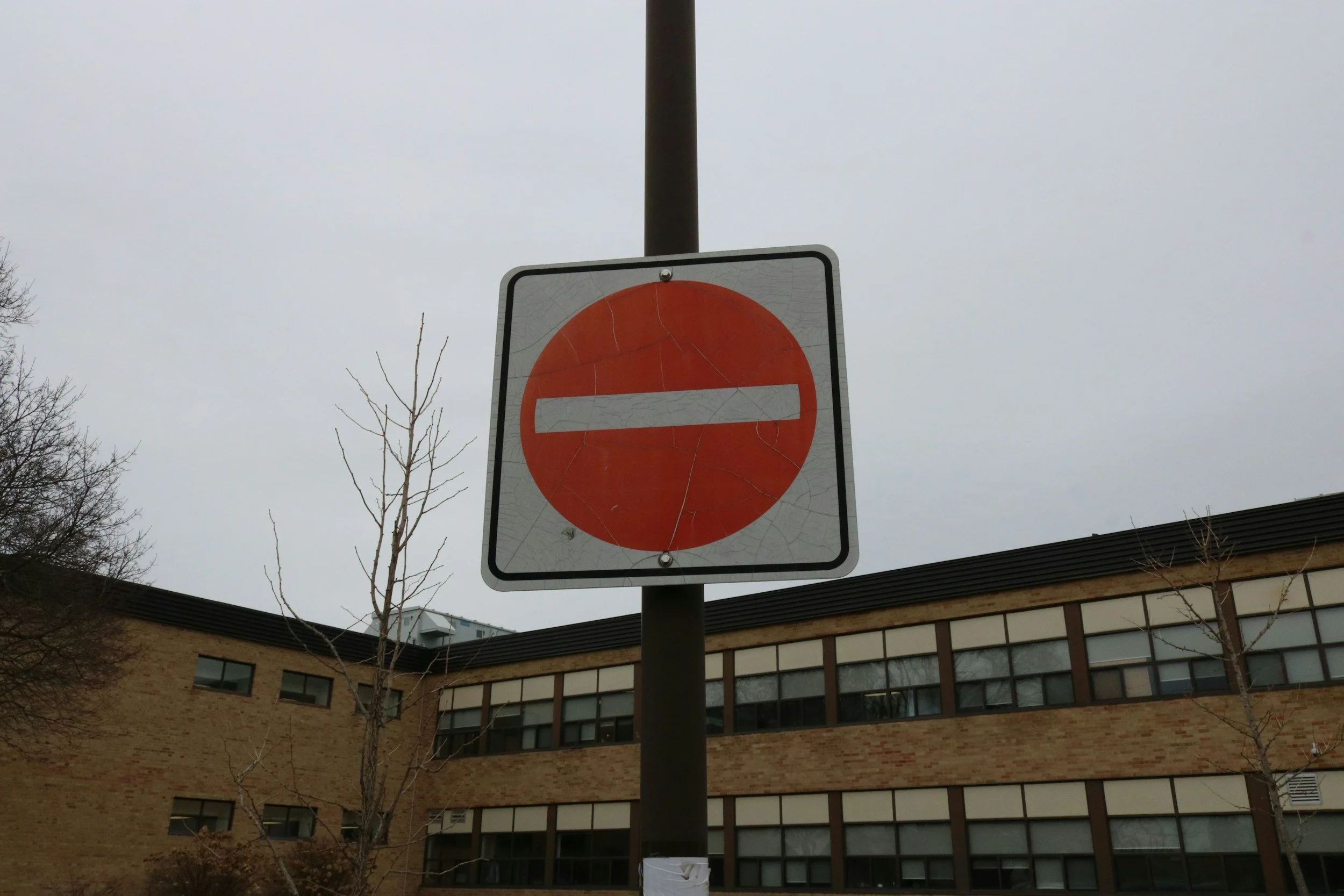
“When the system says “No Entry,” is it rejection or redirection?”
The options parents are rarely walked through properly
When school breaks down, parents are often left to research alternatives in crisis mode. With judgement layered on top.
Here’s what those options actually look like, without the gloss.
Alternative Provision
For some children, this can be a lifeline. Smaller settings, more flexibility, different expectations.
For others, it can feel like school in a different outfit.
What matters isn’t the label, but the approach:
relationship before rules
flexibility over compliance
understanding of nervous systems, not just behaviour
EOTAS (Education Otherwise Than At School)
In the UK, this is often positioned as extreme or unattainable.
In reality, it can be appropriate when school-based provision cannot meet a child’s needs even with adjustments.
It’s not about giving up on education.
It’s about delivering it differently.
Home Education
This is not “school at home”.
Done well, it’s child-led, interest-driven and paced around regulation. Done badly, it recreates the same pressure in a different setting.
It can be freeing.
It can also be isolating and exhausting for parents.
Honesty matters here.
Flexi or reduced timetables
Sometimes helpful. Sometimes just a holding pattern.
If a child spends their non-school days recovering from school days, it’s worth asking whether this is support — or delay.
The grief no one prepares you for
Alongside the practical decisions sits something heavier.
The grief of letting go of how you imagined things would be.
the school gate friendships
the milestones
the reassurance of following the same path as everyone else
Parents don’t talk enough about the envy, the guilt, the quiet sadness.
None of this means you love your child less.
It means you’re human.
Redefining success (and breathing again)
Success doesn’t have to mean:
full-time attendance
neat handwriting
keeping up with peers
Sometimes success looks like:
emotional safety
trust rebuilt
curiosity returning
a child who feels heard rather than handled
These things don’t show up on reports. But they matter more than we admit.
You’re allowed to choose “for now”
This might be the most important part.
Nothing has to be forever.
Nervous systems grow. Capacity changes. Doors reopen.
You’re not deciding the rest of your child’s life.
You’re responding to who they are right now.
And that is not failure.
It’s care.
Midlife Madness runs on courage, candor… and caffeine. If these stories speak to you, tap the button below and fuel the next one with a coffee your support keeps the truth flowing. ☕
Love,
Diane x
PS: Still figuring it out. Still winging it. Still weighing up whether the price of staying in the system is quietly being paid in my son’s mental health and whether that’s a bill we should ever have agreed to.