
“When You Become the “Difficult” Parent (And Stop Apologising for It)” (Copy)
At some point in this journey, you stop being the “easy” parent. You start asking questions. You stop smoothing things over. You realise your fear of being disliked is competing with your child’s need to feel safe, and that’s not a fair fight. This post is about what really happens when become the “difficult” parent…and why that might be the bravest thing you ever do.
What happens when advocating for your child means you’re labelled as ‘that parent’?
“They might call me difficult. He calls me safe.”
If standing between him and a system that doesn’t get him makes me awkward, outspoken, inconvenient…so be it.
I’m not here to be liked.
I’m here to make sure he doesn’t have to fight alone. Sometimes advocacy looks less like a battle and more like this: two silhouettes, one steady grip, and a promise that I won’t let go.
There’s a moment most of us hit.
It’s usually after the third meeting. The fifth email. The polite nodding while someone explains your own child to you.
You realise something uncomfortable.
You are no longer the “easy” parent.
You are the one who asks follow-up questions.
The one who says, “That won’t work for them.”
The one who reads the policies.
The one who doesn’t smile and move on.
And if you’re anything like me, your stomach flips every single time.
Because most of us were raised to be agreeable. Grateful. Not make a fuss.
Especially women. Especially mothers.
Then you have a neurodivergent child.
And suddenly being agreeable is not protective. It’s costly.
The internal battle no one sees
Before you ever challenge a school, you challenge yourself.
Am I overreacting?
Maybe they’re right.
I don’t want to be that parent.
You draft emails in your head at 2am. You soften sentences. You add smiley faces you don’t mean. You thank people for things that are literally their job.
And underneath all of it is fear:
If I push too hard, will they treat my child differently?
If I don’t push hard enough, will my child pay for it?
That tension is exhausting.
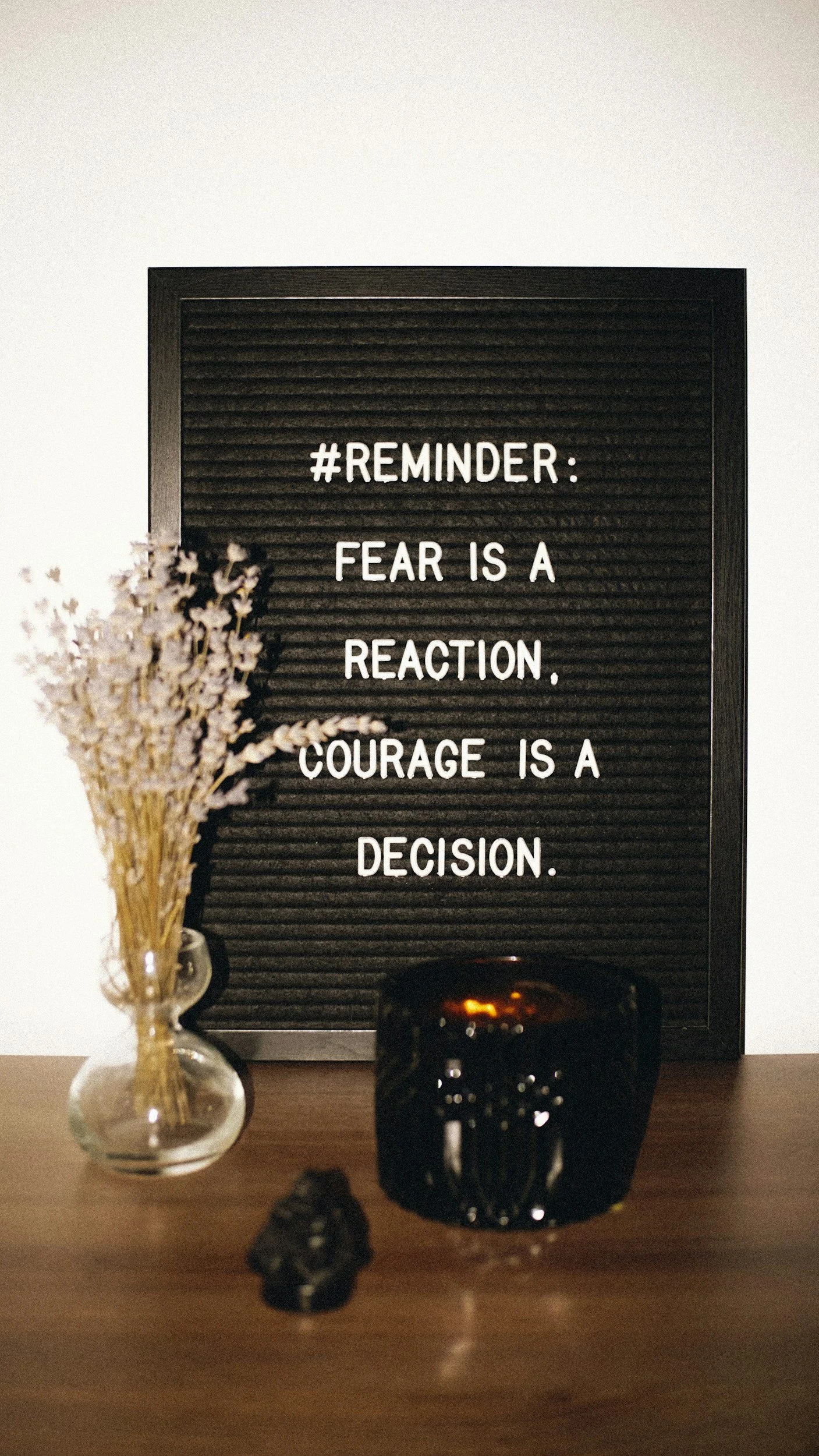
“Fear shows up first. In the playground. In the inbox. In the pit of your stomach before you press send.”
Here’s the uncomfortable truth.
Systems are built to maintain themselves.
Schools are under pressure. Staff are stretched. Resources are thin. Targets are rigid.
When your child doesn’t fit neatly inside that system, the easiest solution is often to try to reshape your child.
Not the structure.
That’s why you’ll hear phrases like:
“They just need to build resilience.”
“We can’t make exceptions.”
“If we do it for one child…”
“They need to learn the real world won’t adapt.”
But here’s the part that rarely gets said out loud:
The real world adapts all the time.
Adults work from home.
Adults change careers.
Adults leave toxic environments.
Adults use noise-cancelling headphones and flexible hours.
Yet we expect children with developing nervous systems to white-knuckle it through distress in the name of preparation.
That’s not resilience. That’s survival.
Advocacy is not aggression
Advocacy sounds bold and powerful.
In reality, it often looks like:
sending the email even though your hands shake
requesting the policy in writing
asking for the sensory break to be written into the plan
saying, “This is impacting their mental health.”
It’s not dramatic.
It’s steady.
And yes, sometimes it makes people uncomfortable.
But discomfort is not the same as wrongdoing.
You are not being “difficult” for asking that agreed adjustments actually happen.
You are not unreasonable for wanting movement breaks honoured.
You are not overprotective for noticing that your child is unravelling.
You are paying attention.
The cost of staying quiet
This is the bit that changed things for me.
I realised my fear of being disliked was competing with my child’s need to feel safe.
That’s not a fair competition.
When I stayed quiet to keep the peace, the peace wasn’t real.
It just moved the pressure home.
Meltdowns in the car.
Shutdowns in the evening.
A child who held it together all day and then fell apart in the only place they could.
Compliance at school, collapse at home.
And I was the one picking up the pieces.
If someone is going to be uncomfortable, it doesn’t always have to be your child.
Boundaries are a skill (and most of us are learning late)
For many of us in midlife, this is new territory.
We were praised for coping.
For managing.
For being low-maintenance.
Now we’re learning to say:
“That doesn’t work.”
“We need a review.”
“This isn’t sustainable.”
“I’d like that confirmed in writing.”
It feels awkward because it is new.
But new doesn’t mean wrong.
You can be calm and firm at the same time
Advocacy does not require rage.
It requires clarity.
You don’t have to threaten.
You don’t have to over-explain.
You don’t have to justify your child’s neurology like a court case.
You can simply say:
“My child is not coping.”
“We need to look at this differently.”
“What support is available when regulation drops?”
And then pause.
Let the silence do some work.
You’re not fighting the school. You’re fighting for your child.
That distinction matters.
Most parents don’t want conflict. We want collaboration.
But collaboration requires both sides to acknowledge reality.
If your child is dysregulated, distressed or deteriorating, naming that is not dramatic.
It’s responsible.
The reframe that helps
Instead of asking:
“Am I being difficult?”
Try asking:
“Am I being clear about what my child needs?”
Clarity is kindness.
Even when it ruffles feathers.
Especially then.
And if you’re tired…
Of course you are.
Advocating while juggling work, siblings, finances, midlife hormones and your own nervous system is a lot.
Some days you’ll feel strong.
Some days you’ll want to withdraw every email and move to a cottage in the woods.
Both are normal.
You are allowed to take breaks.
You are allowed to gather information slowly.
You are allowed to choose “for now.”
But shrinking yourself to make a system comfortable?
That doesn’t serve your child.
And it doesn’t serve you.
You’re not difficult.
You’re informed.
You’re protective.
You’re learning to use your voice.
And that is not a character flaw.
It’s growth.
If this post made you feel a little less alone…If it gave you the words you’ve been rehearsing in the shower…If it nudged you to press send on the email you’ve been avoiding…You can support Midlife Madness by buying me a coffee. Not in a glossy influencer way. In a “fuel the late-night drafting, policy reading, overthinking and truth-telling” way. This space runs on honesty, nervous system wisdom…and caffeine.
If you value it, back it.
If it helps you advocate, help me keep writing. Because difficult parents need strong coffee.
Love,
Diane x
PS: Still figuring it out. Still winging it. Still reeling from that one time the teacher said, ‘I have to be brave now.’, before our parent’s meeting begun.
Real talk: Tell me, have you ever been labelled “difficult”? What happened when you spoke up? What are you still scared to say out loud?
Real change doesn’t happen in polite silence. It happens when parents compare notes and realise when they’re not the only one sitting in the car park crying before a meeting. Drop it in the comments. The messy bits. The honest bits. The part you usually delete before you post. You’re not too much. You’re not dramatic. And you’re definitely not alone. Let’s talk.
“When You Become the “Difficult” Parent (And Stop Apologising for It)”
At some point in this journey, you stop being the “easy” parent. You start asking questions. You stop smoothing things over. You realise your fear of being disliked is competing with your child’s need to feel safe, and that’s not a fair fight. This post is about what really happens when become the “difficult” parent…and why that might be the bravest thing you ever do.
What happens when advocating for your child means you’re labelled as ‘that parent’?
“They might call me difficult. He calls me safe.”
If standing between him and a system that doesn’t get him makes me awkward, outspoken, inconvenient…so be it.
I’m not here to be liked.
I’m here to make sure he doesn’t have to fight alone. Sometimes advocacy looks less like a battle and more like this: two silhouettes, one steady grip, and a promise that I won’t let go.
There’s a moment most of us hit.
It’s usually after the third meeting. The fifth email. The polite nodding while someone explains your own child to you.
You realise something uncomfortable.
You are no longer the “easy” parent.
You are the one who asks follow-up questions.
The one who says, “That won’t work for them.”
The one who reads the policies.
The one who doesn’t smile and move on.
And if you’re anything like me, your stomach flips every single time.
Because most of us were raised to be agreeable. Grateful. Not make a fuss.
Especially women. Especially mothers.
Then you have a neurodivergent child.
And suddenly being agreeable is not protective. It’s costly.
The internal battle no one sees
Before you ever challenge a school, you challenge yourself.
Am I overreacting?
Maybe they’re right.
I don’t want to be that parent.
You draft emails in your head at 2am. You soften sentences. You add smiley faces you don’t mean. You thank people for things that are literally their job.
And underneath all of it is fear:
If I push too hard, will they treat my child differently?
If I don’t push hard enough, will my child pay for it?
That tension is exhausting.
“Fear shows up first. In the playground. In the inbox. In the pit of your stomach before you press send.”
Here’s the uncomfortable truth.
Systems are built to maintain themselves.
Schools are under pressure. Staff are stretched. Resources are thin. Targets are rigid.
When your child doesn’t fit neatly inside that system, the easiest solution is often to try to reshape your child.
Not the structure.
That’s why you’ll hear phrases like:
“They just need to build resilience.”
“We can’t make exceptions.”
“If we do it for one child…”
“They need to learn the real world won’t adapt.”
But here’s the part that rarely gets said out loud:
The real world adapts all the time.
Adults work from home.
Adults change careers.
Adults leave toxic environments.
Adults use noise-cancelling headphones and flexible hours.
Yet we expect children with developing nervous systems to white-knuckle it through distress in the name of preparation.
That’s not resilience. That’s survival.
Advocacy is not aggression
Advocacy sounds bold and powerful.
In reality, it often looks like:
sending the email even though your hands shake
requesting the policy in writing
asking for the sensory break to be written into the plan
saying, “This is impacting their mental health.”
It’s not dramatic.
It’s steady.
And yes, sometimes it makes people uncomfortable.
But discomfort is not the same as wrongdoing.
You are not being “difficult” for asking that agreed adjustments actually happen.
You are not unreasonable for wanting movement breaks honoured.
You are not overprotective for noticing that your child is unravelling.
You are paying attention.
The cost of staying quiet
This is the bit that changed things for me.
I realised my fear of being disliked was competing with my child’s need to feel safe.
That’s not a fair competition.
When I stayed quiet to keep the peace, the peace wasn’t real.
It just moved the pressure home.
Meltdowns in the car.
Shutdowns in the evening.
A child who held it together all day and then fell apart in the only place they could.
Compliance at school, collapse at home.
And I was the one picking up the pieces.
If someone is going to be uncomfortable, it doesn’t always have to be your child.
Boundaries are a skill (and most of us are learning late)
For many of us in midlife, this is new territory.
We were praised for coping.
For managing.
For being low-maintenance.
Now we’re learning to say:
“That doesn’t work.”
“We need a review.”
“This isn’t sustainable.”
“I’d like that confirmed in writing.”
It feels awkward because it is new.
But new doesn’t mean wrong.
You can be calm and firm at the same time
Advocacy does not require rage.
It requires clarity.
You don’t have to threaten.
You don’t have to over-explain.
You don’t have to justify your child’s neurology like a court case.
You can simply say:
“My child is not coping.”
“We need to look at this differently.”
“What support is available when regulation drops?”
And then pause.
Let the silence do some work.
You’re not fighting the school. You’re fighting for your child.
That distinction matters.
Most parents don’t want conflict. We want collaboration.
But collaboration requires both sides to acknowledge reality.
If your child is dysregulated, distressed or deteriorating, naming that is not dramatic.
It’s responsible.
The reframe that helps
Instead of asking:
“Am I being difficult?”
Try asking:
“Am I being clear about what my child needs?”
Clarity is kindness.
Even when it ruffles feathers.
Especially then.
And if you’re tired…
Of course you are.
Advocating while juggling work, siblings, finances, midlife hormones and your own nervous system is a lot.
Some days you’ll feel strong.
Some days you’ll want to withdraw every email and move to a cottage in the woods.
Both are normal.
You are allowed to take breaks.
You are allowed to gather information slowly.
You are allowed to choose “for now.”
But shrinking yourself to make a system comfortable?
That doesn’t serve your child.
And it doesn’t serve you.
You’re not difficult.
You’re informed.
You’re protective.
You’re learning to use your voice.
And that is not a character flaw.
It’s growth.
If this post made you feel a little less alone…If it gave you the words you’ve been rehearsing in the shower…If it nudged you to press send on the email you’ve been avoiding…You can support Midlife Madness by buying me a coffee. Not in a glossy influencer way. In a “fuel the late-night drafting, policy reading, overthinking and truth-telling” way. This space runs on honesty, nervous system wisdom…and caffeine.
If you value it, back it.
If it helps you advocate, help me keep writing. Because difficult parents need strong coffee.
Love,
Diane x
PS: Still figuring it out. Still winging it. Still reeling from that one time the teacher said, ‘I have to be brave now.’, before our parent’s meeting begun.
Real talk: Tell me, have you ever been labelled “difficult”? What happened when you spoke up? What are you still scared to say out loud?
Real change doesn’t happen in polite silence. It happens when parents compare notes and realise when they’re not the only one sitting in the car park crying before a meeting. Drop it in the comments. The messy bits. The honest bits. The part you usually delete before you post. You’re not too much. You’re not dramatic. And you’re definitely not alone. Let’s talk.

“If Not School, Then What?”
Many parents of neurodivergent children reach a quiet, uncomfortable realisation: the problem may not be their child, it may be school itself. For children with PDA profiles and sensitive nervous systems, traditional classrooms can feel less like places of learning and more like constant threat. This article explores why masking, compliance, and “pushing through” come at such a high cost, and why questioning whether school is the right option isn’t failure, it’s attentive parenting.
What happens when a mainstream education costs your child’s mental health?

“What if education didn’t have to look like this?”
There’s a specific kind of fear that creeps in when school stops working.
It usually arrives late at night, once the house is quiet, when the practical decisions give way to the bigger ones.
If not school… then what?
What happens to their future?
Have we just closed a door that can never reopen?
This fear is understandable. Education has been sold to us as linear. Miss a step and the whole thing collapses.
But neurodivergent children don’t develop in straight lines. And neither do their nervous systems.
Regulation comes before education (even if no one says it out loud)
Here’s the part that feels radical, even though it shouldn’t be:
A child who is dysregulated cannot learn in the way school expects them to.
Attendance is not the same as education.
Compliance is not the same as engagement.
Endurance is not the same as growth.
For PDA children especially, feeling safe and having autonomy isn’t a luxury it’s the foundation.
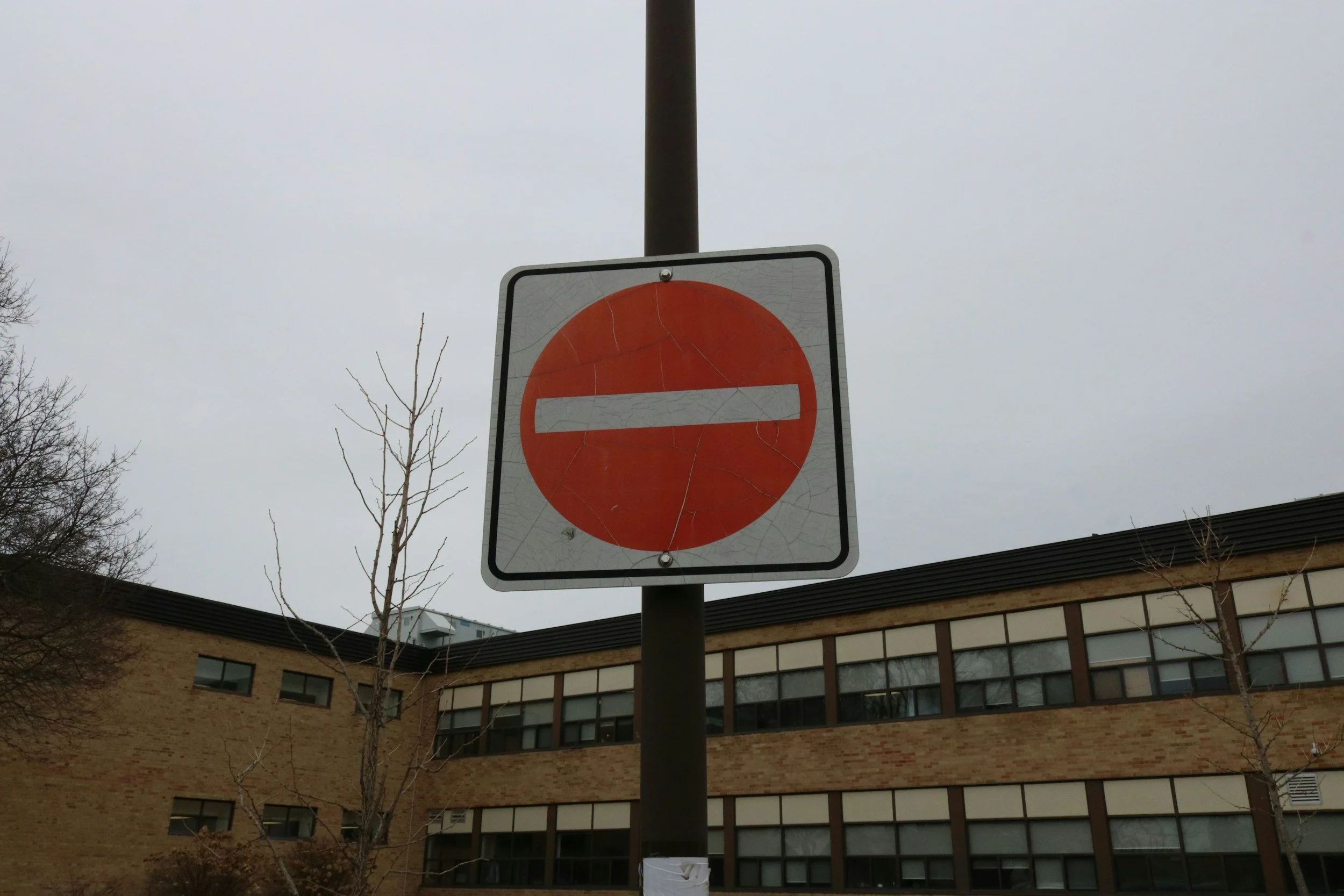
“When the system says “No Entry,” is it rejection or redirection?”
The options parents are rarely walked through properly
When school breaks down, parents are often left to research alternatives in crisis mode. With judgement layered on top.
Here’s what those options actually look like, without the gloss.
Alternative Provision
For some children, this can be a lifeline. Smaller settings, more flexibility, different expectations.
For others, it can feel like school in a different outfit.
What matters isn’t the label, but the approach:
relationship before rules
flexibility over compliance
understanding of nervous systems, not just behaviour
EOTAS (Education Otherwise Than At School)
In the UK, this is often positioned as extreme or unattainable.
In reality, it can be appropriate when school-based provision cannot meet a child’s needs even with adjustments.
It’s not about giving up on education.
It’s about delivering it differently.
Home Education
This is not “school at home”.
Done well, it’s child-led, interest-driven and paced around regulation. Done badly, it recreates the same pressure in a different setting.
It can be freeing.
It can also be isolating and exhausting for parents.
Honesty matters here.
Flexi or reduced timetables
Sometimes helpful. Sometimes just a holding pattern.
If a child spends their non-school days recovering from school days, it’s worth asking whether this is support — or delay.
The grief no one prepares you for
Alongside the practical decisions sits something heavier.
The grief of letting go of how you imagined things would be.
the school gate friendships
the milestones
the reassurance of following the same path as everyone else
Parents don’t talk enough about the envy, the guilt, the quiet sadness.
None of this means you love your child less.
It means you’re human.
Redefining success (and breathing again)
Success doesn’t have to mean:
full-time attendance
neat handwriting
keeping up with peers
Sometimes success looks like:
emotional safety
trust rebuilt
curiosity returning
a child who feels heard rather than handled
These things don’t show up on reports. But they matter more than we admit.
You’re allowed to choose “for now”
This might be the most important part.
Nothing has to be forever.
Nervous systems grow. Capacity changes. Doors reopen.
You’re not deciding the rest of your child’s life.
You’re responding to who they are right now.
And that is not failure.
It’s care.
Midlife Madness runs on courage, candor… and caffeine. If these stories speak to you, tap the button below and fuel the next one with a coffee your support keeps the truth flowing. ☕
Love,
Diane x
PS: Still figuring it out. Still winging it. Still weighing up whether the price of staying in the system is quietly being paid in my son’s mental health and whether that’s a bill we should ever have agreed to.
Real talk: If you’re in this space right now lying awake, second-guessing, grieving, recalculating, tell me: what does “success” look like for your child today, not five years from now? Drop it in the comments so other parents can see they’re not the only ones redefining the rules.

“School Isn’t Failing Your Child. It Was Never Built for Them”
When school stops working for neurodivergent children, what comes next? Exploring EOTAS, home education, and redefining success beyond attendance.
What happens when a system built on compliance meets a child whose nervous system experiences control as threat?

“School wasn’t designed for curiosity, creativity, or change. It was designed for order, and some children were always going to fall outside the lines.”
There is a moment many parents of neurodivergent children reach that feels oddly shameful.
It’s the moment you stop asking “How do we fix this?”
And start wondering “What if this just… doesn’t work?”
For a long time, school is presented as non-negotiable. The one stable thing. The answer to structure, progress, socialisation and success. So when it starts unravelling, slowly or spectacularly, parents often assume the fault must sit somewhere closer to home.
Usually with them.
The promise we’re sold
We’re told:
“They’ll settle once they feel safe.”
“Consistency is key.”
“They just need time to build trust.”
“All children struggle at first.”
And for some children, that’s true.
But for a child with a PDA profile, time and consistency don’t always soothe. Often, they escalate the sense of threat.
Because what looks like support from the outside can feel like entrapment on the inside.
What school actually demands (even on a good day)
School is not just lessons and lunchboxes. It’s a constant stream of invisible demands:
Transitioning when someone else decides
Sitting still when your body wants to move
Complying with adults you didn’t choose
Being observed, assessed and corrected
Suppressing emotions to “keep the day running smoothly”
For a PDA nervous system, this isn’t neutral. It’s activating. Over and over again.
And no amount of visual timetables or sticker charts can make a nervous system feel safe when autonomy is stripped away.
“But they’re fine at school”
This phrase deserves its own paragraph.

“When the system stays in focus, individual needs quietly disappear.”
Many PDA children are fine at school.
Polite. Quiet. Compliant. Helpful.
They hold it together because they have to.
What parents see instead is:
explosive evenings
emotional collapse after school
rage, tears or shutdown at home
weekends spent recovering rather than resting
This isn’t coincidence. It’s the cost of masking.
And when school only sees the mask, parents are left holding the fallout and often the blame.
When the focus quietly shifts onto you
At some point, the conversation changes.
It’s no longer: “What does your child need?”
It becomes:
“Are you reinforcing this at home?”
“We don’t see this behaviour here.”
“Have you considered your own anxiety?”
Suddenly, you’re not just advocating you’re defending your parenting, your motives, your relationship with your child.
You become “difficult”.
Or “overprotective”.
Or “too involved”.
When really, you’re responding to a system that doesn’t fit your child’s nervous system.
Signs this is more than just a wobble
All children struggle sometimes. But there are signs that school isn’t just challenging it’s actively doing harm:
escalating anxiety or rage
increasing shutdown or withdrawal
sleep disturbances
physical symptoms like stomach aches or headaches
loss of joy, curiosity or confidence
This isn’t resilience being built. It’s a nervous system under sustained stress.
What helps (without blowing everything up)
This isn’t about storming out or burning bridges.
Sometimes the most powerful shifts are quieter:
documenting patterns, not incidents
describing impact, not behaviour
naming regulation needs rather than “refusal”
And sometimes, the bravest step is pausing long enough to ask:
“Is this helping or are we just pushing through because we’re afraid not to?”
School may not be failing your child.
But it may not be able to meet them either.
And that doesn’t make you weak for noticing.
It makes you attentive.
In the next post, we talk about the question that follows if not school, then what?
This writing exists because I keep showing up and telling the truth. If you want more of that honesty, hit the button below and buy me a coffee, it’s how these stories keep coming.
Love,
Diane x
PS: Still figuring it out. Still winging it. Still wondering whether fighting the school for the bare minimum of support is the best use of my energy or if it’s time to wave the white flag and quietly defect to home education.
Real talk: There’s a moment where you stop thinking, “How do we make school work?” and start thinking, “…is this actually working at all?”
If you’ve been side-eyeing the school system, whispering your doubts into your coffee, or wondering whether you’re the problem (you’re probably not), let’s talk.
Drop a comment below.
What’s your child’s school experience really like and are you questioning if school is the right fit for them?
Chances are, someone reading needs to know they’re not the only one.

“Feeling Lost in Midlife? Here’s How I Found Myself Again (While Crying into Cold Coffee)”
Somewhere between the school run and a stone-cold coffee, I lost myself. This post explores the silent grief of midlife identity loss- and how to start rediscovering yourself, one small moment at a time.
Have you ever looked in the mirror and wondered where she went? The woman you used to be before life got so heavy?

“Midlife often holds up a mirror, not just to who we are, but to everything we’ve lost, questioned, or outgrown.”
Somewhere between the school run, the forgotten anniversaries, the heavy sighs, and the morning tears that fell on my pillow…I lost her.
Me.
I didn’t notice at first. Life just happened. One minute I was achieving everything on the five-year plan, the next I was resigning from my teaching career. Before I knew it, my needs didn’t make the mental load to do list. Poof! They were gone, along with my identity.
I became Mrs Clipboard! The organiser, the cleaner, the meltdown regulator. The invisible emotional sponge, the everything for everyone. Except me. I was invisible and my existence became a silent warrior for my son’s needs and Paw Patrol on repeat.
And if you’re reading this, maybe you’re feeling it too?
You’re Not the Only One Asking: “Is This It?”
I used to think it was just me. That I was the only woman who felt invisible. Like I’d been erased by motherhood and the constant emotional labour of holding it all together. I still love my family, my husband and my kids, very deeply. But I couldn’t find the person I used to be beneath the exhaustion, the invisible mentalload, and endless responsibilities. My spark felt suffocated behind fake smiles that didn’t reach my eyes and the dreaded question, “So, is Di working now?” Because scrubbing the bathroom and advocating for sensory breaks and a support plan didn’t qualify for paid employment or suitable social small talk!
Midlife was supposed to feel like a welcome home party, not a scavenger hunt for matching socks and a five-minute uninterrupted shower. Aren’t I supposed to have my sh#t together by now and a suitable retirement fund? But instead, I feel like I have taken a detour somewhere between completely burnt out and just surviving.

“When you’re barely keeping your head above water, midlife can feel like waves of uncertainty.”
The Invisible Weight No One Talks About
People say:
“You’re lucky to be at home.”
“What do you do all day.”
“You should be grateful.”
But they don’t see the:
Isolation and loneliness
Emotional overwhelm
The invisible level of expectancy
The constant self-doubt and loss of identity.
If you’ve been told “it could be worse” or “that’s not a bad thing, though” when you speak up…If you’ve had to hide your breakdowns just to keep the peace…if you’re the one managing meltdowns while quietly having your own…
Then this space is for YOU.
3 Gentle Steps to Start Finding Yourself Again
You don’t need to overhaul your life. You just need to come home to you. Here’s how I started:
1. Name What Hurts
Stop minimising your feelings. If you feel neglected, exhausted, lonely, that’s real! Your feelings are not overreactions. They are information.
2. Make Mirco Moments Yours
I started with five-minute rituals. Music while I cleaned. Coffee alone in Costa. Journaling a single honest sentence. Not to be productive, but to be me again, even briefly.
3. Connect With Someone Who Gets It
This blog is my lifeline and maybe yours too. You don’t have to carry it all silently anymore.
You Deserve to Be Seen Again!
This space isn’t about pretending everything’s fine. It’s about being real, even when it’s messy.
So if you’re:
Worn down from holding everyone else up
Quietly questioning your marriage or relationship
Parenting a child who needs everything you don’t have to give
Longing to feel alive again
Or haven’t figured out your next steps yet…
You’re not alone. You’re not broken. And you’re still in there, waiting to be discovered.
Thank you so much for reading and sharing this part of my journey. If you’d like to support my writing and help keep these stories coming, you can buy me a coffee…It really means alot.
Real talk: Tell me below what was your ‘How the feck did I end up here moment?’