Part 4: Advocacy and Agency for the Invisible.
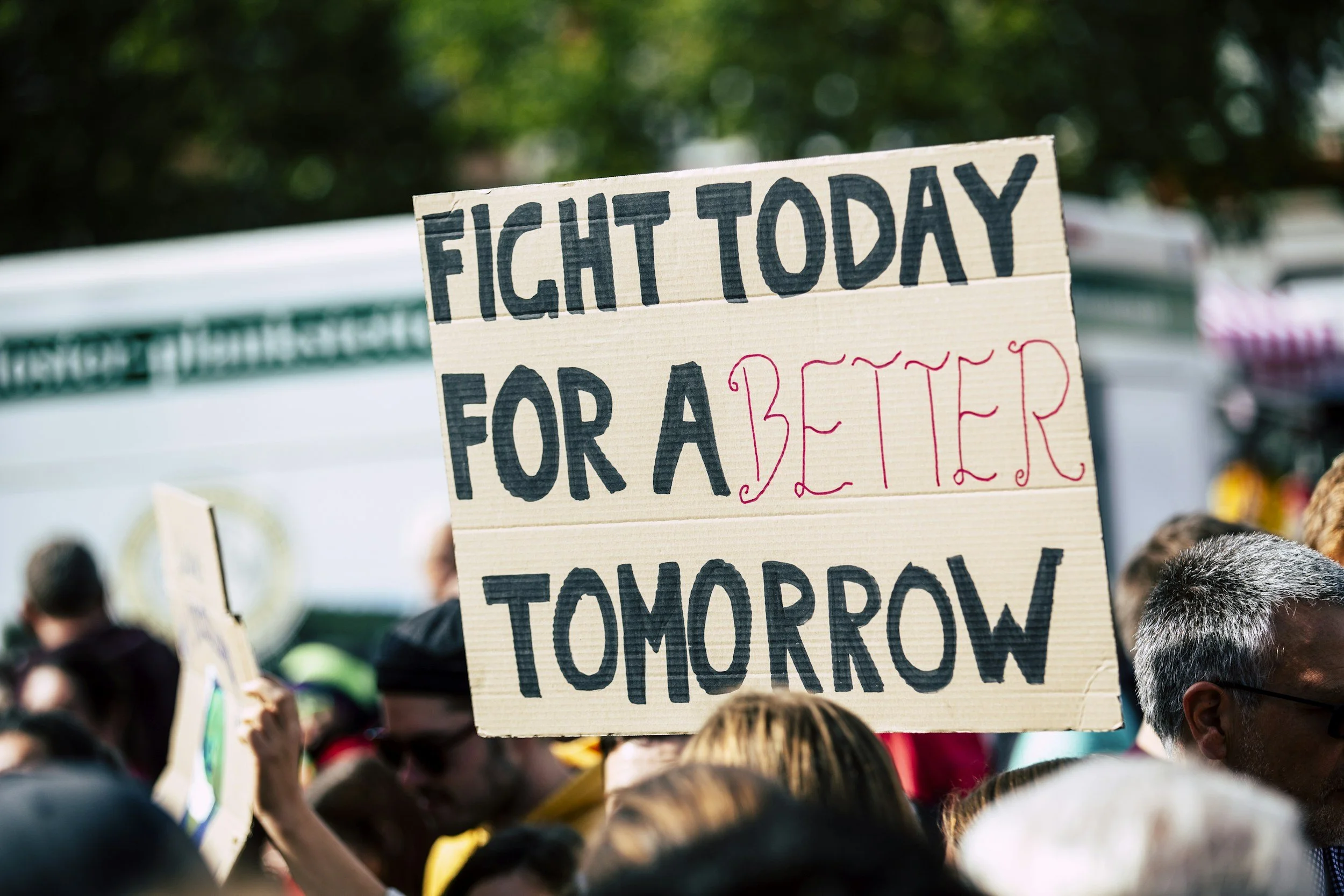
“Forever the silent warrior for an invisible disability that is consistently misunderstood in Education”
This is the part of the story where people expect relief.
An apology.
A sense of resolution.
This is the part where you’re supposed to feel reassured.
Instead, this is the moment I realised something far more important:
Nothing changes unless parents force it to.
Because what I received from the school wasn’t accountability.
It was carefully worded reassurance wrapped around the same system that failed my child in the first place.
And I need to say this plainly:
A polite email does not undo harm.
A promise to “move forward” does not fix what was ignored.
And intention does not outweigh impact.
What Advocacy Really Looks Like (When You Read Between the Lines)
The response acknowledged my distress.
It apologised for delays.
It repeated phrases like equity, flexibility, positive behaviour and partnership.
But threaded all the way through it was the same contradiction parents of SEND children see over and over again:
“We will follow OT recommendations… but behaviour policy still applies.”
“Breaks are essential… but we can’t guarantee they won’t be removed.”
“We listen to parents… but staff may still override explicit instructions.”
“Children are never punished for neurodiversity… except when an adult decides otherwise.”
That’s not inclusion.
That’s discretion.
And discretion is exactly where disabled children fall through the cracks.
The Problem With “We’ll Try”
SEND law does not say try.
It says must.
Reasonable adjustments are not optional.
They are not conditional on staffing.
They are not subject to interpretation in the moment by whichever adult is on duty.
If an adjustment exists:
It must be applied
Consistently
Predictably
And without being withdrawn as a consequence
Especially when the adjustment is movement: a core regulation need for children with ADHD, PDA, and sensory processing differences.
Removing movement is not neutral.
It is not minor.
It is not “five minutes”.
It is dysregulating, unsafe, and when repeated damaging!

“Safety is non-negotiable”
When Safeguarding Is Framed as Behaviour
What shook me most wasn’t the policy language.
It was this:
Vocal stimming was “monitored informally”
Escalation to arm-biting was only addressed after a formal complaint
Previously agreed sensory supports were reduced without consultation
A SEND-required break was perceived by my child as a punishment
That is not a child failing to cope.
That is a system failing to respond before distress turns inward.
Quiet children don’t get support.
They get missed.
Until they can’t hold it in anymore.
Agency for the Invisible
Here’s the truth no one tells parents early enough:
If your child is polite, verbal, bright, or compliant
you will have to advocate harder, not less.
Because systems are built to respond to disruption, not distress.
And advocacy doesn’t mean you’re aggressive.
It means you’re informed.
It means you document.
You follow up in writing.
You reference the law.
You don’t let vague assurances replace concrete safeguards.
It means you stop accepting:
“We’ll review”
“We’ll monitor”
“We’ll try to apply it more consistently”
And start asking:
Who is responsible?
How will this be recorded?
What prevents this from happening again?
This Is Where My Silence Ends
I didn’t raise a complaint because I wanted conflict.
I raised it because my child was biting his own arm to cope.
And I will not be quiet about that.
Because SEND advocacy isn’t about being liked. It’s about being effective.
And agency, real agency, comes when parents stop shrinking themselves to fit systems that were never designed for their children in the first place.
This is Midlife Madness.
This is advocacy.
This is what protecting the invisible actually looks like.
Before you click away, know this: this story isn’t finished.
Next week on Midlife Madness, I’ll be sharing Part 5: the one where things escalate, the emails get interesting, and the quiet, polite advocacy turns into a full story-time moment that I suspect many of you will recognise. If you’ve ever wondered how ordinary parents end up becoming accidental campaigners, this is where it really begins.
And if this series has made you feel seen, steadied, or just less alone while navigating systems that weren’t built for our children, you can support this work via the Buy Me a Coffee button below. It hasn’t had much uptake (yet), and I may need to rethink it but for now, it helps keep this space running, writing honest, and free from fluff.
No pressure. No guilt. Just gratitude.
Come back next week…you won’t want to miss this one. 💛
Love,
Diane x
PS: Still figuring it out, still winging it. Still in a state of barely contained outrage at the audacity of senior staff to delay a response to a safeguarding complaint, only to reply with an email so full of ping-ponging contradictions that not a single concern was actually addressed. Impressive, really. If avoiding the point were an Olympic sport, we’d have a podium situation.